 Save
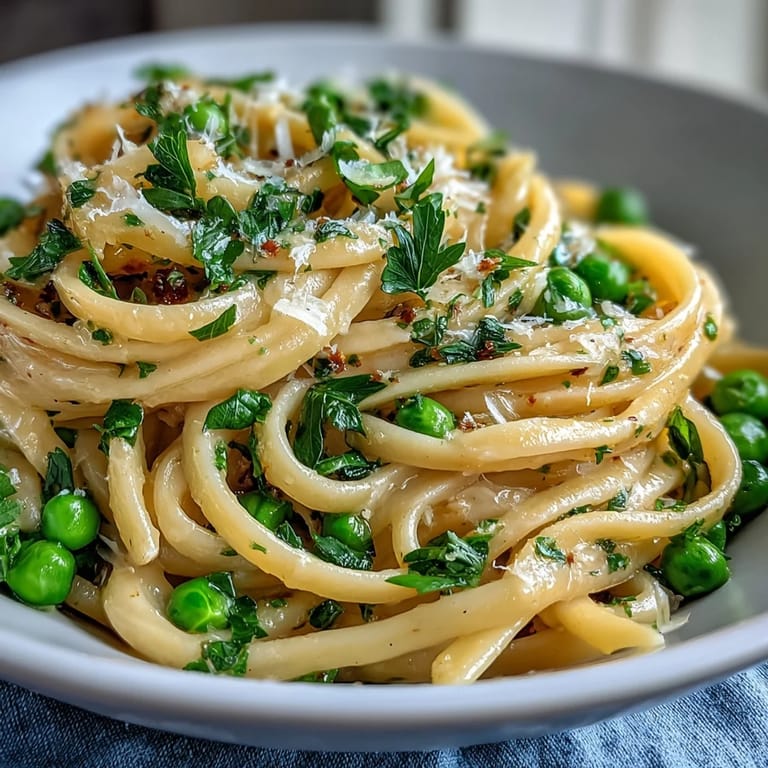
Save One evening in late April, I stood at my kitchen window watching the rain streak down the glass while my neighbor's garden burst with fresh green shoots. That's when it hit me—I needed something bright and simple, something that tasted like spring before it fully arrived. I pulled out a box of linguine and realized I had everything I needed already: butter, a lonely lemon on the counter, and a bag of frozen peas. Twenty-five minutes later, I was twirling silky strands of pasta onto my fork, the sauce coating each piece with pure, uncomplicated joy.
I made this for my sister during her first week back home after moving across the country. We sat at the kitchen table with bowls steaming between us, and she got quiet in that way people do when they taste something that reminds them of comfort. She asked for the recipe before she'd even finished eating, and now whenever she texts asking what to cook, I know this pasta is her silent way of saying she misses home.
Ingredients
- 12 oz linguine or spaghetti: Thin strands work best here since they catch the sauce beautifully; I've tried thicker shapes and the delicate lemon butter gets lost among all that pasta.
- 1 cup fresh or frozen green peas: Frozen peas are honestly just as good as fresh, and they thaw perfectly in the warm sauce without turning mushy if you're gentle.
- 2 cloves garlic, minced: Don't skip mincing by hand or with a garlic press—you want tiny pieces that distribute evenly without overpowering the brightness.
- Zest of 1 lemon plus juice of 1 large lemon (about 3 tbsp): That zest does half the heavy lifting flavor-wise, so zest before you juice and never, ever use bottled juice here.
- 2 tbsp fresh parsley, chopped: This is your final flourish, adding a garden-fresh snap that ties everything together at the very end.
- 4 tbsp unsalted butter: Use real butter, not margarine—it melts into the sauce like silk and is honestly non-negotiable for this dish.
- 1/2 cup grated Parmesan cheese, plus more for serving: Freshly grated is worth the two minutes it takes; pre-grated versions have anti-caking agents that make the sauce grainy.
- 1/2 tsp salt, plus more for pasta water: Taste as you go since the pasta water, lemon, and Parmesan all contribute saltiness—you're balancing, not just adding blindly.
- 1/4 tsp freshly ground black pepper: Grind it fresh right before you add it; the difference between pre-ground and just-cracked is the difference between forgettable and memorable.
Tired of Takeout? 🥡
Get 10 meals you can make faster than delivery arrives. Seriously.
One email. No spam. Unsubscribe anytime.
Instructions
- Set the water boiling:
- Fill your largest pot with water and salt it generously—it should taste like the sea, which sounds like too much until you realize this is your only opportunity to season the pasta itself. Bring it to a rolling boil where the surface is actively churning, which signals that your pasta will cook evenly.
- Cook the pasta to al dente:
- Follow the package instructions, but start checking a minute or two before the timer suggests, fishing out a strand to test for that perfect tender-but-still-slightly-firm bite. Once it's there, reserve about a cup of that starchy cooking water before draining everything.
- Build the sauce foundation:
- While the pasta does its thing, melt your butter in a large skillet over medium heat until it's foamy but not browning—listen for a gentle sizzle that tells you it's ready. Add the minced garlic and let it warm just until fragrant, about a minute, which creates that aromatic base without letting the garlic turn bitter.
- Introduce the peas:
- Stir them into the buttery garlic and cook for 2 to 3 minutes, which is just long enough for frozen peas to wake up and warm through or for fresh peas to soften slightly. The peas will start releasing their subtle sweetness into the butter, creating a natural flavor bridge.
- Add the lemon brightness:
- Pour in that zest and juice, stirring to combine so the lemon oils mingle with the warm butter and create something almost luminous. The acidity balances everything and keeps the sauce from feeling heavy.
- Bring pasta and sauce together:
- Add the drained pasta to the skillet along with about half a cup of that reserved pasta water, then toss everything together gently so the strands are coated without breaking. The starchy water helps the sauce cling to each strand and creates a silky consistency.
- Finish with cheese and seasoning:
- Sprinkle in the Parmesan, salt, and black pepper, then toss until the cheese melts into the sauce and everything becomes creamy and cohesive. Add more pasta water a splash at a time if it seems too thick—you're looking for a sauce that coats rather than drowns.
- Final touch with fresh herbs:
- Remove from heat and stir in the chopped parsley, which adds a fresh, garden-like finish that you really shouldn't skip. Taste it now, adjust anything that feels off, and plate it while it's still steaming.
 Save
Save There's a moment when you're tossing everything together and the Parmesan starts melting into the sauce, turning it from thin and glossy to thick and luxurious—that moment is when you realize this simple dish is actually quite elegant. It's the kind of magic that comes from understanding how a few good ingredients talk to each other.
Why This Works So Well
The beauty of this pasta lies in how each component serves a purpose without overwhelming the others. Lemon provides brightness and acidity that cuts through the richness of the butter, while the peas offer a natural sweetness and texture contrast that keeps every bite interesting. The pasta water acts as an emulsifier, binding everything into a creamy sauce that feels indulgent without any cream, and the Parmesan adds umami depth that transforms simple ingredients into something that tastes like you've been working in the kitchen for hours.
Making It Your Own
This dish is actually a canvas waiting for your own touches. I've added crispy pancetta for richness, a handful of baby spinach for extra greens, and even thin-sliced mushrooms that sauté quietly in the butter before the garlic arrives. Some nights I use half butter and half good olive oil for a lighter feel, and other times I'll stir in a spoonful of mascarpone at the very end for extra silkiness—the foundation is strong enough to support whatever you're craving.
Timing and Serving Thoughts
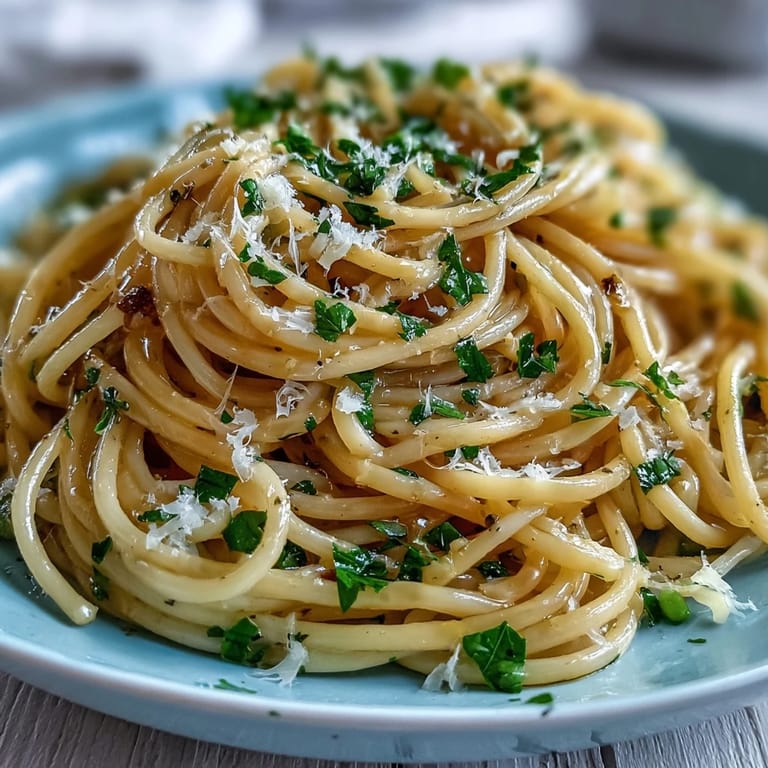
The window between done and overdone is surprisingly generous with this dish since the pasta keeps cooking slightly in the residual heat and the sauce helps keep everything moist. Serve it immediately in warmed bowls with an extra shower of Parmesan and freshly cracked pepper, because the pasta releases steam that keeps everything warm, and those finishing touches add the elegance that makes people think you've done something far more complicated than you actually have.
- A crisp white wine like Sauvignon Blanc cuts through the richness and complements the lemon beautifully.
- Add grilled shrimp or rotisserie chicken if you need more protein to make it feel like a complete meal.
- This reheats surprisingly well the next day—just add a splash of water and warm gently, loosening everything back to sauce consistency.
 Save
Save This pasta has become my go-to for those moments when I need something that feels special but doesn't demand special effort. It's proof that cooking doesn't have to be complicated to be memorable.
Recipe FAQs
- → Can I use frozen peas instead of fresh?
Yes, frozen peas can be added directly to the skillet and cooked until heated through to preserve their sweet flavor and texture.
- → What type of pasta works best for this dish?
Long pasta like linguine or spaghetti holds the sauce well and complements the light lemon-butter coating perfectly.
- → How do I make the sauce creamy without cream?
The reserved starchy pasta water combined with butter and Parmesan melts into a silky sauce that naturally coats the pasta.
- → Can this dish be made vegan?
Replace butter with olive oil and Parmesan with a plant-based cheese alternative to keep flavors vibrant and dairy-free.
- → What herbs complement the flavors here?
Fresh parsley adds brightness and freshness, balancing the richness of butter and cheese while enhancing the lemon notes.