 Save
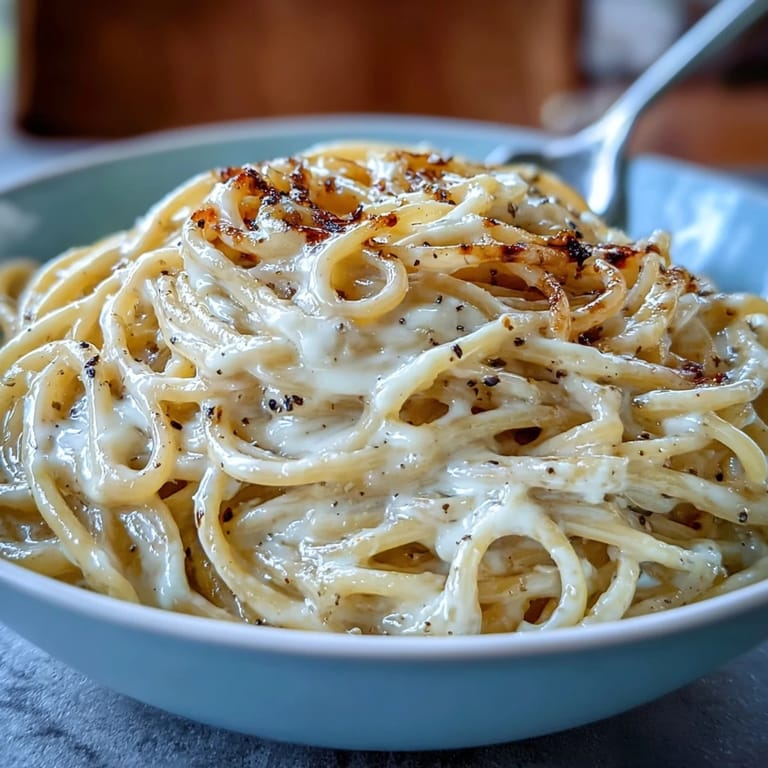
Save My neighbor Maria once told me that real cacio e pepe doesn't need a recipe, just respect. She was right. The first time I watched her make it, she used three ingredients and her hands, no measuring cups in sight. The pasta water hissed as it hit the hot pan, and the cheese melted into silk. I've been chasing that moment ever since, learning that simplicity is the hardest thing to master.
I made this for my sister during a rainy Tuesday when nothing seemed to go right. She sat at my kitchen counter, soaked from the storm, and I needed something fast and comforting. The smell of toasted pepper filled the room, and by the time I twirled the first forkful onto her plate, she was already smiling. Sometimes the best meals happen on the worst days.
Ingredients
- Spaghetti or tonnarelli (400 g): Tonnarelli is traditional because its square shape grabs the sauce beautifully, but spaghetti works perfectly and is easier to find.
- Pecorino Romano cheese (120 g, finely grated): This salty, sharp sheep's milk cheese is the soul of the dish, buy a wedge and grate it yourself for the creamiest results.
- Whole black peppercorns (2 tsp, freshly cracked): Toasting them wakes up their flavor, turning simple pepper into something bold and aromatic that coats every strand.
- Kosher salt (1 tsp for pasta water): The pasta water becomes part of the sauce, so salting it properly is not optional.
- Unsalted butter (1 tbsp, optional): Purists skip it, but a little butter makes the sauce more forgiving and adds a whisper of richness.
Tired of Takeout? 🥡
Get 10 meals you can make faster than delivery arrives. Seriously.
One email. No spam. Unsubscribe anytime.
Instructions
- Boil the pasta:
- Bring a large pot of water to a rolling boil, add salt, and cook the spaghetti until just al dente, about a minute less than the package says. Before draining, scoop out 1½ cups of that starchy, cloudy pasta water, it's your secret ingredient.
- Toast the pepper:
- While the pasta bubbles away, add your cracked peppercorns to a large dry skillet over medium heat and let them toast for about a minute until they smell incredible and make you sneeze a little. This step transforms the pepper from sharp to complex.
- Build the base:
- Pour 1 cup of the hot reserved pasta water into the skillet with the toasted pepper and reduce the heat to low. Let it simmer gently so the pepper infuses the water.
- Toss the pasta:
- Add the drained pasta directly to the skillet and toss it around, letting it drink up some of that peppery liquid. The pasta should look glossy and almost creamy already.
- Add the cheese:
- Remove the skillet from the heat and start sprinkling in the Pecorino Romano, tossing constantly and vigorously like you mean it. Add more reserved pasta water a splash at a time if it starts to clump instead of turning silky.
- Finish and serve:
- If you're using butter, toss it in now and stir until it melts into the sauce. Serve immediately in warm bowls, topped with extra cheese and more cracked pepper.
 Save
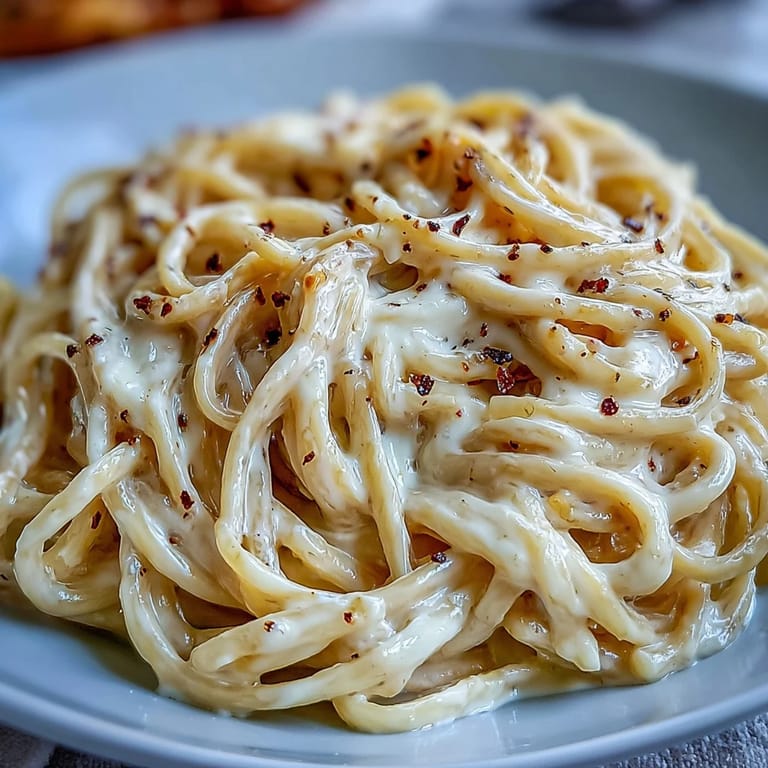
Save The night I finally nailed the texture, I stood at the stove grinning like I'd won something. My roommate wandered in, took one bite, and declared it better than the place we'd tried in Rome. I'm not sure that's true, but I didn't argue. That's the thing about cacio e pepe, when it works, it feels like a small victory you can eat.
Choosing Your Pasta
Tonnarelli is the Roman standard, thick and square, designed to hold onto every bit of peppery cheese sauce. Spaghetti is the practical substitute that lives in most kitchens and still delivers that perfect twirl. I've also used bucatini when I wanted a hollow center to trap even more sauce, and it worked beautifully. Whatever you choose, cook it a minute less than you think, because it finishes cooking in the skillet.
The Pepper Matters
I used to grab pre-ground pepper from the shaker and wonder why my cacio e pepe tasted flat. The day I bought whole peppercorns and cracked them fresh, everything changed. Toasting them in a dry pan before adding the pasta water releases oils you didn't know were there, turning the pepper from a background note into the main melody. Don't skip this step, it's where the dish gets its personality.
Serving and Storing
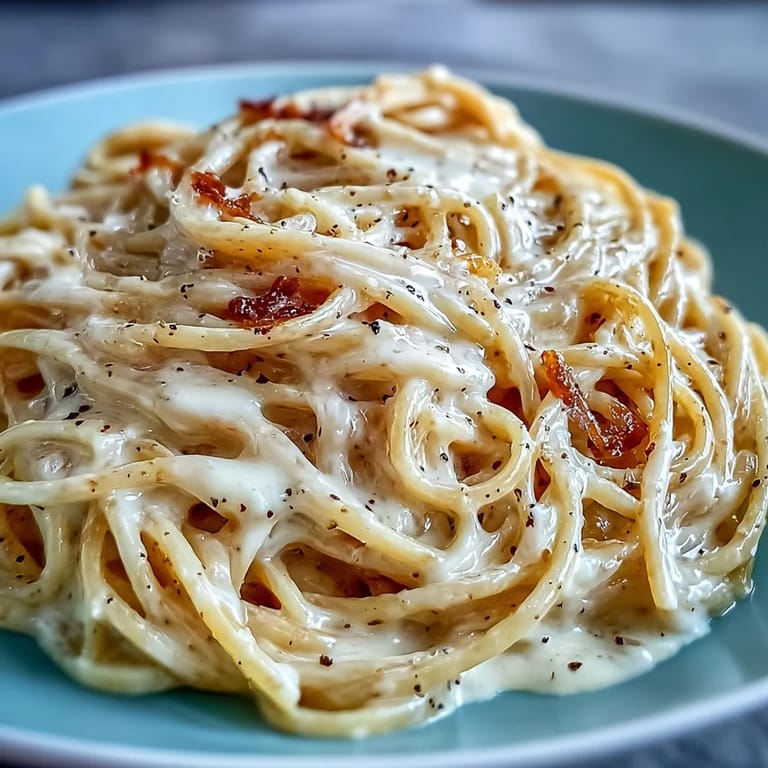
This dish is best eaten the moment it's made, straight from the pan while the sauce is still creamy and clinging to the pasta. Leftovers will firm up in the fridge as the cheese sets, but you can revive them with a splash of water or milk in a skillet over low heat. I usually just make exactly what I need and call it a night.
- Serve in warm bowls to keep the sauce from cooling too fast.
- Top with extra Pecorino and a generous crack of fresh pepper right before serving.
- Pair with a crisp white wine like Frascati or a simple green salad to balance the richness.
 Save
Save Every time I make cacio e pepe, I'm reminded that the best food doesn't need to be complicated. Just good ingredients, a little attention, and the willingness to stir like you mean it.
Recipe FAQs
- → Why does my cheese clump instead of creating a creamy sauce?
Remove the pan from heat before adding cheese and add it gradually while tossing vigorously. The residual heat from the pasta and reserved water is sufficient to melt the cheese without causing it to seize. Using freshly grated Pecorino Romano rather than pre-shredded cheese also ensures smooth melting.
- → Can I substitute Parmesan for Pecorino Romano?
While Parmesan can be used, Pecorino Romano is traditional and provides the distinctive sharp, salty flavor that defines this dish. Pecorino is made from sheep's milk and has a more assertive taste than cow's milk Parmesan, which is essential to the authentic flavor profile.
- → How much pasta water should I reserve?
Reserve at least 1½ cups of starchy pasta water before draining. This water is crucial for creating the creamy emulsion with the cheese. Start by adding 1 cup to the pepper, then use the remainder to adjust the sauce consistency as needed.
- → What type of pasta works best?
Tonnarelli is the traditional choice, but spaghetti works excellently. Long pasta shapes are preferred because they coat well with the sauce. Avoid using fresh pasta as dried pasta releases more starch into the cooking water, which is essential for sauce consistency.
- → Why toast the black pepper first?
Toasting whole peppercorns in a dry skillet releases their essential oils and intensifies their flavor and aroma. This step adds depth and complexity to the dish, transforming the pepper from a simple seasoning into a starring ingredient.
- → How do I prevent the sauce from becoming too thick or thin?
Control the consistency by adding reserved pasta water gradually. If the sauce is too thick and clumpy, add water a tablespoon at a time while tossing. If too thin, continue tossing over low heat to allow some water to evaporate and the cheese to bind better.