 Save
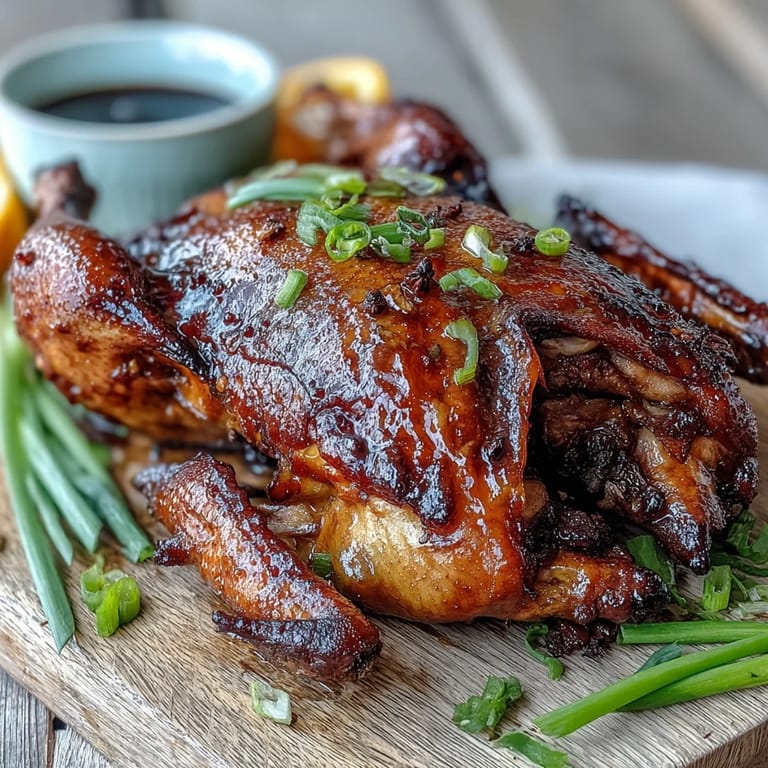
Save The kitchen window was cracked open despite the February chill, because my neighbor had politely asked if everything was okay after the smoke alarm went off twice. I was attempting my first whole roast duck, armed with nothing but stubbornness and a hand-scrawled recipe from a coworker whose grandmother ran a restaurant in Hong Kong. The five-spice aroma that eventually filled my apartment was so intoxicating that by the time the duck emerged golden and crackling, I'd forgiven myself for nearly incinerating the thing. That Valentine's Day dinner, served on mismatched plates with rice that stuck to the bottom of the pot, remains one of my proudest cooking moments.
I made this again the following year, this time for a small dinner party where I wanted to show off just a little. My friend brought her new boyfriend, who turned out to be vegetarian, a detail she forgot to mention until they walked through the door. While they ate the stir-fried greens and rice, the rest of us devoured the duck, and I learned an important lesson about asking for dietary restrictions ahead of time. The duck itself, though, was perfect: burnished, aromatic, and gone within twenty minutes.
Ingredients
- Whole duck: Look for one around 1.5 to 2 kg, and make sure its fully thawed and patted completely dry, because any moisture will fight against that crispy skin you're after.
- Chinese five-spice powder: This blend of star anise, cloves, cinnamon, Sichuan pepper, and fennel is the soul of the dish, so buy a fresh jar if yours has been sitting in the cupboard since 2019.
- Sea salt: Draws out moisture from the skin and seasons the meat from the inside out, which is why you shouldn't skip salting the cavity too.
- Light soy sauce: Adds savory depth without overwhelming the other flavors, and the gluten-free versions work just as well if that's a concern.
- Dark soy sauce: This is what gives the duck that deep mahogany color and a hint of molasses-like richness.
- Honey: Balances the spice and salt while helping the skin caramelize into a glossy, crackly shell.
- Shaoxing wine: A splash of this rice wine cuts through the fat and adds a subtle floral note, though dry sherry is a fine stand-in.
- Garlic and ginger: Minced garlic and grated ginger create a pungent, warming base that clings to the meat and perfumes the whole bird.
- Orange: Both the zest and juice bring brightness and a slight tang that plays beautifully with the five-spice.
- Spring onions: Tucked inside the cavity, they steam gently and add a mild onion sweetness to the drippings.
- Star anise pods: A few whole pods inside the duck reinforce the five-spice and make your kitchen smell like a dim sum parlor.
Tired of Takeout? 🥡
Get 10 meals you can make faster than delivery arrives. Seriously.
One email. No spam. Unsubscribe anytime.
Instructions
- Mix the marinade:
- In a small bowl, whisk together the five-spice powder, sea salt, both soy sauces, honey, Shaoxing wine, minced garlic, grated ginger, orange zest, and orange juice until it's a thick, fragrant paste. The smell alone will make you hungry.
- Prep the duck:
- Set the cleaned, dried duck on a rack in a roasting pan, then prick the skin all over with a fork, being careful not to stab into the meat itself. This helps the fat render out and the skin crisp up.
- Marinate thoroughly:
- Rub the marinade all over the outside of the duck and inside the cavity, really working it into every crevice. Stuff the cavity with the orange quarters, chopped spring onions, and star anise pods.
- Chill and rest:
- Let the duck marinate uncovered in the refrigerator for at least one hour, though overnight is even better if you want the flavors to go deep. The uncovered rest also dries the skin, which is key for crispness.
- Roast low and slow:
- Preheat your oven to 180°C (350°F), then roast the duck breast-side up for one hour, basting with the pan juices every thirty minutes. The gentle heat renders the fat without burning the marinade.
- Finish with high heat:
- Crank the oven up to 220°C (425°F) and roast for another 20 to 30 minutes until the skin is deeply golden and crackles when you tap it with a spoon. Keep an eye on it so the honey doesn't scorch.
- Rest and carve:
- Pull the duck from the oven and let it rest for ten minutes before carving. This lets the juices settle so they don't run all over your cutting board the moment you slice in.
 Save
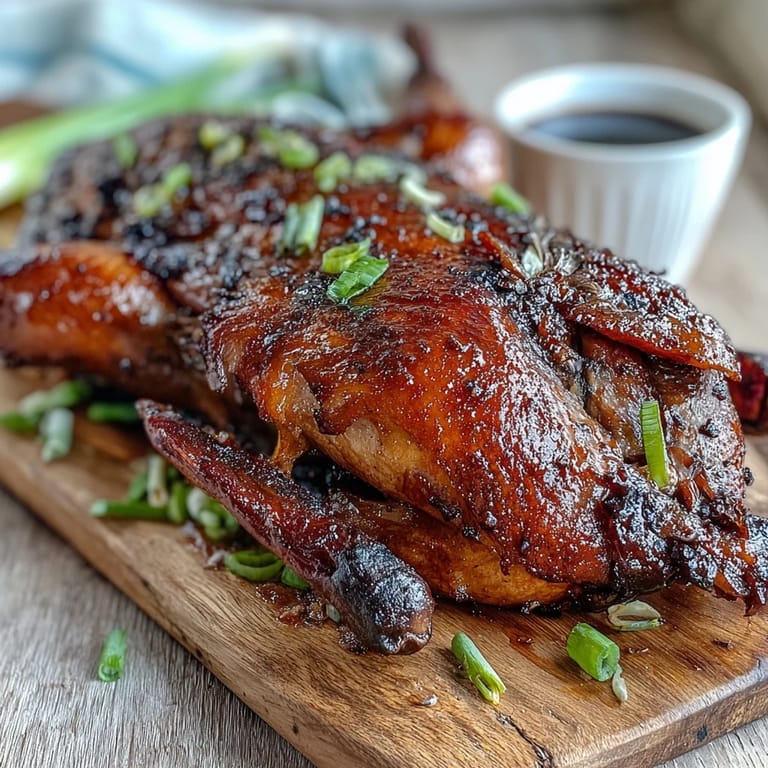
Save The third time I roasted this duck, I served it to my parents, who are not easily impressed. My dad, who usually just nods and says it's good, asked for the recipe, and my mom took a photo of her plate before she started eating. That's when I knew this dish had become more than just dinner, it was something worth passing along.
Getting the Skin Crispy
The secret to shatteringly crisp skin is moisture control. After marinating, leave the duck uncovered in the fridge overnight so the surface dries out, which lets the skin render its fat and crisp up instead of steaming. If you're short on time, pat the skin dry with paper towels right before roasting and aim a small fan at it for twenty minutes. It sounds ridiculous, but it works.
Flavor Variations
You can swap the honey for maple syrup if you want a deeper, almost smoky sweetness, or try pomegranate molasses for a tart, jewel-toned glaze. I've also added a tablespoon of hoisin sauce to the marinade when I'm feeling indulgent, which makes the duck taste a little more like Peking duck. A handful of fresh thyme or a cinnamon stick in the cavity brings a subtle warmth that plays nicely with the five-spice.
Serving and Storing
This duck shines alongside steamed jasmine rice, stir-fried bok choy, or even roasted Brussels sprouts if you want a Western twist. I like to spoon some of the pan drippings over the rice, which soaks up all that spiced, citrusy fat. Leftovers keep in the fridge for up to three days and make phenomenal bánh mì-style sandwiches with pickled carrots, cucumber, and a smear of mayo.
- Rewarm leftover duck gently in a low oven to keep the skin from getting rubbery.
- Save the rendered fat for roasting potatoes or frying eggs, it's liquid gold.
- If you're making this ahead, roast the duck earlier in the day and crisp it up again under the broiler just before serving.
 Save
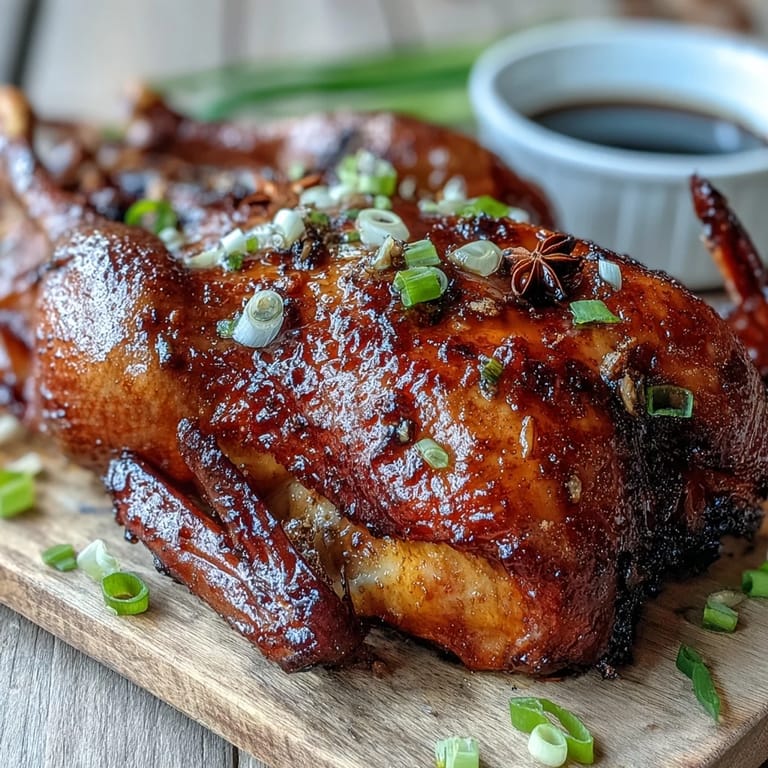
Save There's something deeply satisfying about pulling a whole roast duck from the oven, knowing you coaxed that kind of flavor and texture from a single bird and a handful of spices. It's the kind of dish that turns an ordinary evening into an occasion, and I hope it does the same for you.
Recipe FAQs
- → How do I achieve crispy duck skin?
Prick the skin thoroughly with a fork without piercing the meat, and leave the duck uncovered in the refrigerator overnight before roasting. The final high-heat roast at 220°C also ensures maximum crispiness.
- → Can I use duck legs instead of a whole duck?
Yes, you can use duck legs or breasts. Adjust cooking time to about 45-60 minutes for legs and 20-30 minutes for breasts, depending on size and thickness.
- → What can I substitute for Shaoxing wine?
Dry sherry is an excellent substitute, or you can use a dry white wine or even rice vinegar diluted with a bit of water for a similar effect.
- → How long should I marinate the duck?
Marinate for at least 1 hour, but overnight marination in the refrigerator produces deeper, more complex flavors and better skin texture.
- → What side dishes pair well with this duck?
Steamed jasmine rice, stir-fried greens, bok choy, or Asian-style slaw complement the rich, aromatic flavors beautifully. Roasted vegetables also work well.
- → Is this dish suitable for gluten-free diets?
Yes, simply use gluten-free soy sauce instead of regular soy sauce, and verify all other ingredients are certified gluten-free.