 Save
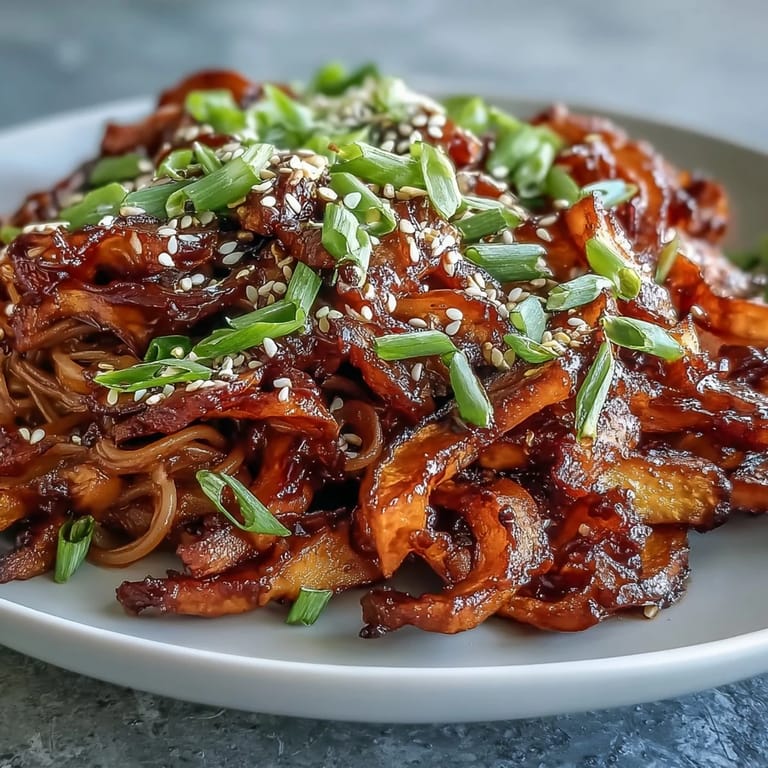
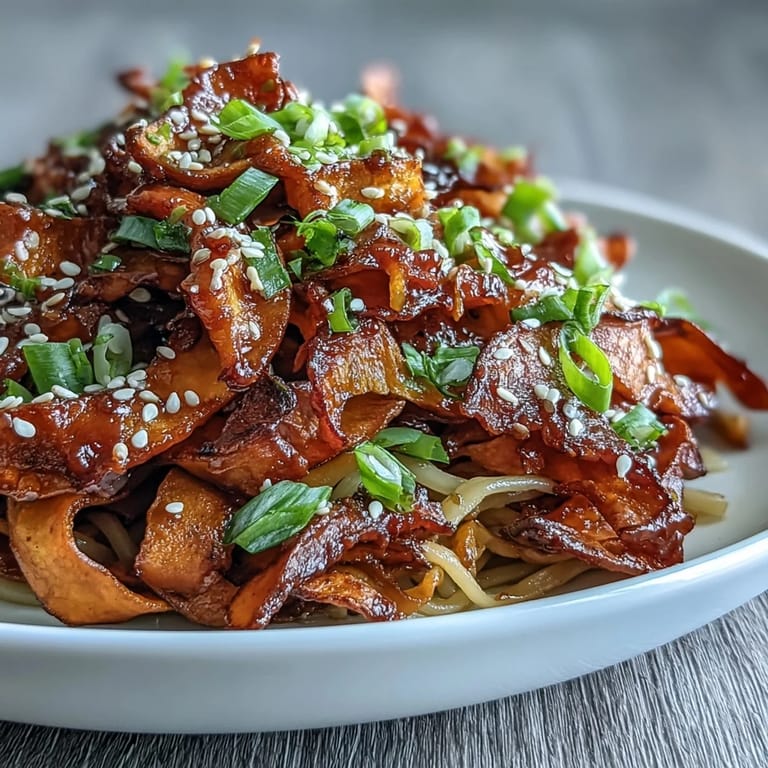
Save I was skeptical the first time I spiralized a swede, wondering if this humble root vegetable could ever masquerade as something exciting. But after thirty minutes in a hot oven, those pale ribbons transformed into caramelized, sweet strands with crispy edges that clung to the gochujang dressing like they were made for it. The kitchen smelled like roasted earth and sesame, and I couldn't stop picking at the swede straight from the tray. That evening, I learned that vegetables don't need to be trendy to be transformative, they just need heat, time, and a sauce with personality. This dish became my answer to midweek cooking fatigue, vibrant enough to feel like an occasion but simple enough to pull off on a Tuesday.
I made this for a friend who claimed she hated swede, calling it bland and forgettable from childhood dinners. She watched me toss the ribbons in oil and slide them into the oven, arms crossed, unconvinced. But when I plated the noodles and she took her first bite, her face softened, and she admitted the roasted swede tasted nothing like what she remembered. We ended up sitting on the kitchen floor with our bowls, talking until the sesame seeds were gone and the cilantro had wilted on the counter. That night, swede earned its redemption.
Ingredients
- Swede (rutabaga): Peel it thoroughly to remove the waxy skin, then slice into thin ribbons using a peeler or mandoline for even roasting and maximum caramelization.
- Rice noodles: Dried rice noodles are forgiving and quick, just don't overcook them or they will turn gummy, a quick cold rinse after draining keeps them springy.
- Gochujang: This fermented chili paste is the soul of the dish, offering deep umami, sweetness, and heat all at once, and brands vary in spice level so taste as you go.
- Maple syrup: It rounds out the heat and saltiness of the dressing, honey works too, but maple adds a subtle warmth that feels right with roasted vegetables.
- Toasted sesame oil: A little goes a long way, this is what makes the dressing smell like a street market and taste like comfort.
- Spring onions: They add a sharp, fresh bite that cuts through the richness, use both the white and green parts for layers of flavor.
- Sesame seeds: Toast them yourself in a dry pan for a minute, the nutty aroma is worth the extra step and they add a gentle crunch to every bite.
Tired of Takeout? 🥡
Get 10 meals you can make faster than delivery arrives. Seriously.
One email. No spam. Unsubscribe anytime.
Instructions
- Preheat and Prep:
- Set your oven to 220°C (425°F) and let it get properly hot while you peel and ribbon the swede. A mandoline makes this faster, but a vegetable peeler works just fine if you take your time.
- Roast the Swede:
- Toss the ribbons with vegetable oil, salt, and pepper until every piece is lightly coated, then spread them in a single layer on a baking sheet. Roast for 25 to 30 minutes, flipping halfway through, until the edges are golden and some bits are crispy.
- Cook the Noodles:
- While the swede roasts, boil the rice noodles according to the package instructions, usually just a few minutes. Drain them, rinse under cold water to stop the cooking, and set them aside so they don't clump.
- Make the Dressing:
- In a bowl, whisk together the gochujang, soy sauce, maple syrup, rice vinegar, sesame oil, garlic, ginger, and chili flakes if using. Add water a tablespoon at a time until the dressing is pourable but still clings to a spoon.
- Toss and Serve:
- In a large mixing bowl, combine the roasted swede, noodles, spring onions, carrot, and bean sprouts if using. Pour the dressing over everything and toss gently until every ribbon and noodle is coated.
- Garnish and Plate:
- Divide the noodles among bowls and scatter toasted sesame seeds and fresh cilantro on top. Serve immediately while the swede is still warm and the noodles are glossy.
 Save
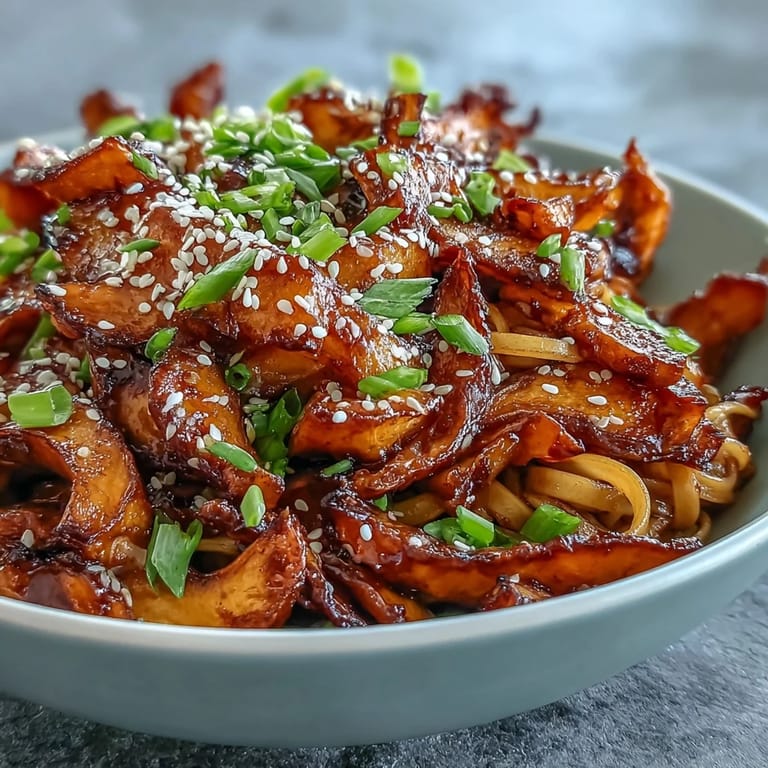
Save One winter evening, I served this to a table of friends who had gathered for no reason other than needing warmth and company. The bowls were mismatched, the cilantro was wilting, and someone spilled sesame seeds all over the table. But as we ate, the conversation grew louder, the laughter easier, and the noodles disappeared faster than I expected. It was the kind of meal that didn't try to impress but somehow became the thing everyone remembered, not because it was perfect, but because it was exactly what we needed. Food like this doesn't need an occasion, it creates one.
Customizing Your Noodles
This recipe is a canvas, not a rigid formula, and I have learned that swapping ingredients based on what is in the fridge only makes it better. I have used sweet potato ribbons when I was out of swede, added pan fried tofu for protein, and once tossed in leftover edamame that needed using up. The dressing works with almost any roasted vegetable or grain, so if you have cooked quinoa or soba noodles on hand, use those instead. The key is keeping the balance of sweet, salty, spicy, and nutty, everything else is negotiable. Trust your instincts and taste as you go, this dish rewards improvisation.
Storing and Reheating
Leftovers keep well in the fridge for up to three days, though the noodles will absorb some of the dressing and soften slightly. I actually prefer it the next day when the flavors have had time to meld, eaten cold straight from the container or gently reheated in a pan with a splash of water to loosen everything up. If you are meal prepping, store the roasted swede, noodles, and dressing separately and toss them together just before serving so the textures stay distinct. The dressing alone will last a week in a sealed jar, and I have been known to drizzle it over scrambled eggs, roasted broccoli, and even plain rice when I need a quick flavor fix.
Serving Suggestions and Pairings
I like to serve these noodles on their own for a light but satisfying meal, but they also work beautifully as a side dish alongside grilled proteins or in a larger spread of small plates. A crisp, slightly sweet Riesling or a cold lager cuts through the richness of the sesame oil and tempers the heat from the gochujang, making each bite feel balanced and refreshing. If you want to make it more substantial, add a fried egg on top, the runny yolk mixing with the dressing is a small miracle. For gatherings, I double the recipe and serve it family style in a wide, shallow bowl so everyone can help themselves.
- Top with a fried egg for extra richness and a creamy element that ties everything together.
- Serve alongside pickled vegetables or kimchi to add acidity and crunch that contrast with the sweet, roasted swede.
- Pair with a light, chilled white wine or sparkling water with lime to cleanse the palate between bites.
 Save
Save This dish taught me that humble ingredients can surprise you if you give them the right treatment, and that sometimes the best meals are the ones you almost didn't bother making. I hope it brings you the same kind of easy joy it has brought me, the kind that happens when good food meets good company, or even just a quiet evening at home with a bowl in your lap.
Recipe FAQs
- → Can I use a different vegetable instead of swede?
Yes, you can substitute swede with other root vegetables like sweet potato, butternut squash, or parsnips. Adjust roasting time as needed based on the vegetable's density.
- → How spicy is this dish?
The spice level is moderate due to the gochujang. You can reduce the amount of gochujang or omit the optional chili flakes for a milder version, or add more for extra heat.
- → Can I make this dish ahead of time?
The roasted swede and dressing can be prepared up to 2 days in advance and stored separately in the refrigerator. Cook the noodles fresh and toss everything together just before serving for best texture.
- → What can I use instead of rice noodles?
You can use soba noodles, udon, or even spiralized zucchini for a low-carb option. Cooking times will vary depending on the type of noodle you choose.
- → Is gochujang gluten-free?
Not all gochujang brands are gluten-free as some contain wheat. Check the label carefully, and use tamari instead of soy sauce to ensure the entire dish is gluten-free.
- → How do I store leftovers?
Store leftovers in an airtight container in the refrigerator for up to 3 days. The noodles may absorb some dressing, so you might want to add a splash of sesame oil or extra dressing when reheating.