 Save
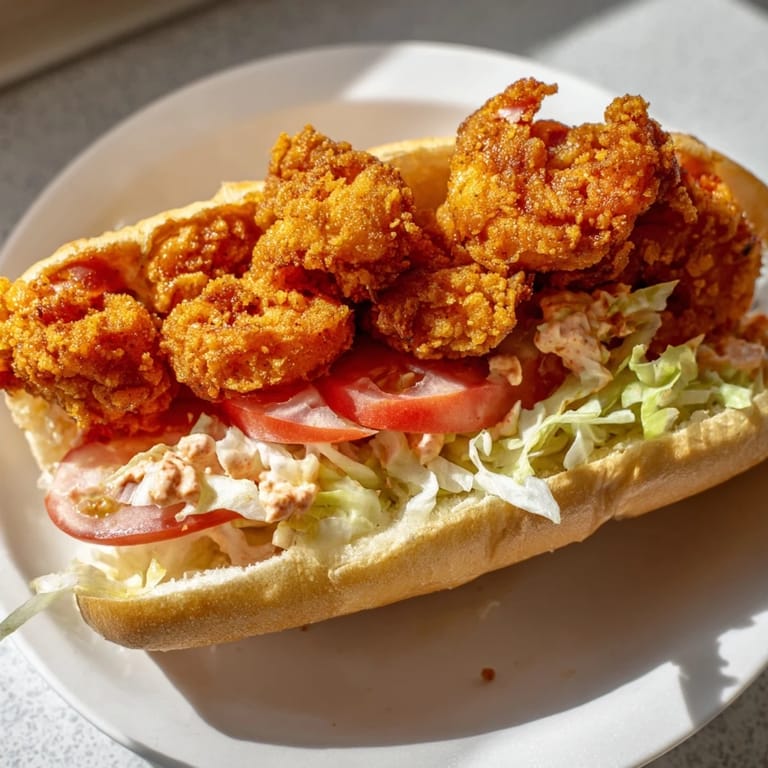
Save The first time I bit into a proper shrimp po'boy, I was sitting on a humid New Orleans street corner, oil dripping down my wrists, and I understood why some sandwiches become legends. That crispy shrimp exterior gave way to the softest, most tender meat inside, all held together by a roll that had just the right amount of give. It wasn't fancy or complicated, but it tasted like someone who knew exactly what they were doing had made it just for me.
I made this for my brother on a random Tuesday and he asked if I'd quit my job to become a sandwich artist. The way his eyes closed on that first bite told me everything I needed to know about whether the technique worked. Now he texts me the recipe every few months like he discovered something ancient and sacred.
Ingredients
- Large shrimp, peeled and deveined: One pound feeds four people generously, and buying them already prepped saves you from the mess if you're new to this.
- All-purpose flour and cornmeal: The flour helps the coating stick, but the cornmeal is what creates that distinctive golden crunch that separates a real po'boy from a sad fried shrimp situation.
- Eggs and buttermilk: This combination creates a coating that clings to the shrimp like it was meant to be there, keeping the inside steamy and delicate.
- Cajun seasoning, paprika, garlic powder, salt, and black pepper: Don't skip layering these spices into the dry mixture; they're doing more work than you think.
- Vegetable oil for frying: Use a neutral oil with a high smoke point because you're working at 350 degrees and you want the oil to stay clean and cooperative.
- Soft French rolls or hoagie buns: This is not the place to use crusty bread; you need something that yields when you bite it.
- Iceberg lettuce and fresh tomatoes: Iceberg gets mocked by salad purists, but here its crispness and mild flavor are exactly what you want next to hot, crispy shrimp.
- Mayonnaise: Quality matters more here than anywhere else; cheap mayo tastes like sadness.
- Hot sauce and dill pickle slices: Both optional but both worth including if you have them on hand.
Tired of Takeout? 🥡
Get 10 meals you can make faster than delivery arrives. Seriously.
One email. No spam. Unsubscribe anytime.
Instructions
- Prepare your shrimp:
- Pat them completely dry with paper towels because any moisture will fight the coating and make things splatter. Whisk your eggs and buttermilk together in one bowl until it's smooth and pale.
- Build your coating station:
- Mix flour, cornmeal, Cajun seasoning, paprika, garlic powder, salt, and pepper in a wide shallow bowl. The cornmeal might seem like it won't stay stuck to the shrimp, but trust that egg wash; it's holding on tight.
- Coat each shrimp:
- Dip one shrimp into the egg mixture, let the excess drip off for a second, then roll it in the flour-cornmeal blend, pressing gently so the coating actually adheres. Set on a clean plate and don't stack them or the coating will stick to other shrimp instead of staying on yours.
- Heat your oil:
- Get 2 inches of vegetable oil to exactly 350°F (175°C) in a deep skillet or Dutch oven. Use a thermometer because guessing leads to either pale, greasy shrimp or shrimp that's cooked through but tastes burnt.
- Fry in batches:
- Working in groups so you don't crowd the pan, slide the shrimp into the hot oil and let them sizzle for 2 to 3 minutes until they're golden brown and any visible coating is crispy. Crowding the pan drops the temperature and everything becomes an oily mess instead of magic.
- Drain properly:
- Use a slotted spoon or tongs to fish the shrimp out, letting the oil drip back into the pan, then lay them on a paper towel-lined plate. This is where you let gravity do half the work for you.
- Toast your rolls:
- Slice the French rolls open lengthwise, leaving a hinge on one side so they stay together. If your kitchen is cool, a quick toast in a hot skillet or toaster oven keeps them from getting soggy from the mayo and fresh vegetables.
- Mix your spread:
- Combine mayonnaise with hot sauce if you're using it, stirring until it's even and slightly darker. Spread it generously on both the top and bottom of each roll.
- Layer and serve:
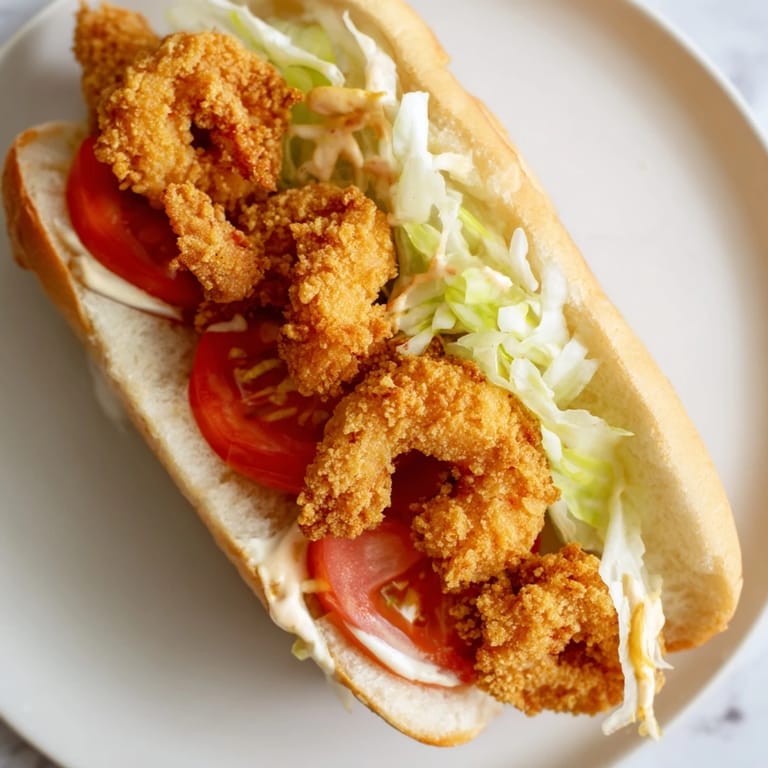
- Arrange a bed of shredded lettuce, then tomato slices, then your hot crispy shrimp. Add pickle slices if you have them, then close the sandwich and cut it gently so nothing slides out. Serve immediately with lemon wedges on the side.
 Save
Save There's a moment right after you bite into a perfect po'boy, when the bread is still warm and the shrimp is still crispy and nothing has started compromising yet, where you understand why people from Louisiana get a little protective about their food. It's not just nostalgia or tradition; it's actually delicious engineering.
The Oil Temperature Matters More Than You Think
I learned this by making five batches of po'boys at different temperatures like some kind of fried shrimp scientist. The ones at 350°F were perfect, with a shattered golden exterior and shrimp so tender it tasted buttery. Everything else was a sliding scale toward regret, either too oily or slightly tough. A good thermometer costs less than ordering takeout and changes everything about frying at home.
Why Iceberg Lettuce Is Actually the Right Choice Here
I used to apologize for using iceberg lettuce, like I was admitting to some culinary failure, until I understood that this sandwich needs contrast. The slight bitterness and extreme crispness of iceberg against hot, salty shrimp and rich mayo is exactly right; arugula would be too spicy, romaine too chewy, mixed greens too floppy. Sometimes the ingredient that sounds boring in isolation is the one that's been working correctly the whole time.
Making It Your Own
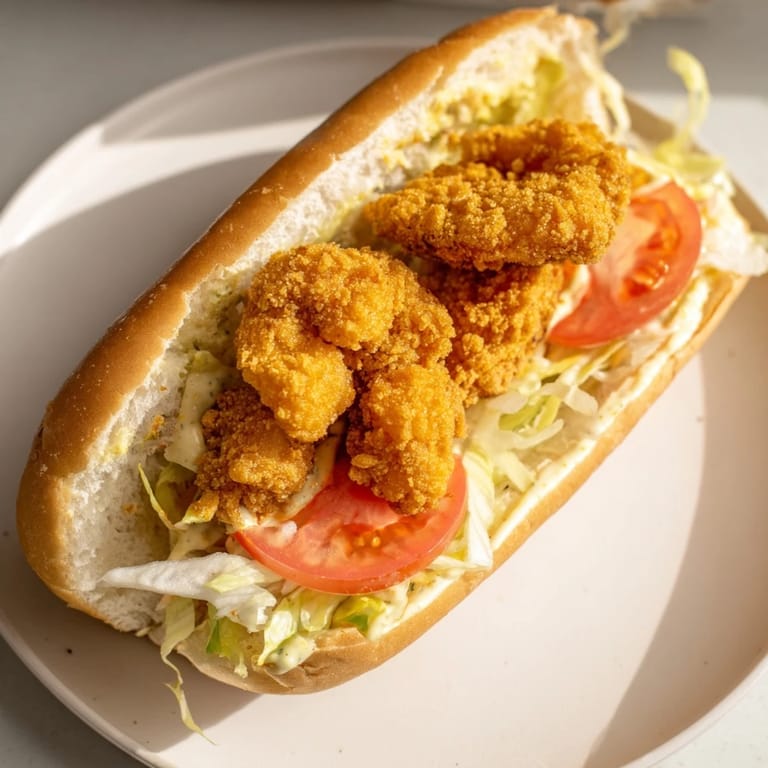
The beauty of a po'boy is that it's a platform for whatever tastes right to you. I've made versions with remoulade sauce instead of mayo, added pickled onions, smoked hot sauce, even a thin spread of Creole mustard underneath everything else. The technical part is the crispy shrimp; everything else is your kitchen, your preferences, your moment.
- Remoulade sauce tastes more sophisticated and tangy if you want to feel like you're eating somewhere fancier than your kitchen.
- A light dusting of Cajun seasoning on the lettuce before you layer it adds another dimension of flavor without changing anything structurally.
- If you're nervous about deep frying, air-fried or oven-baked shrimp won't be quite as crispy but will still taste genuinely good and feel like a real accomplishment.
 Save
Save This sandwich takes about thirty-five minutes from nothing to the table, which means you can make something restaurant-quality on a Wednesday night without pretending to be someone you're not. Once you make it once, you'll understand why people get a little protective about their po'boys.
Recipe FAQs
- → What type of shrimp is best for this sandwich?
Large, peeled, and deveined shrimp work best to achieve a crispy coating and balanced texture.
- → How do I achieve a crispy coating on the shrimp?
Dip shrimp in buttermilk and eggs, then dredge in a mixture of flour and cornmeal before frying in hot oil until golden brown.
- → Can I make the sandwich lighter?
Yes, try air-frying or oven-baking the shrimp instead of deep-frying for a lighter yet flavorful option.
- → What breads are suitable for this sandwich?
Soft French rolls or hoagie buns work well, providing a sturdy yet tender base for layers of shrimp and toppings.
- → Are there recommended sauces or condiments?
Mixing Creole mustard into the mayonnaise or using remoulade adds extra flavor and a tangy kick.