 Save
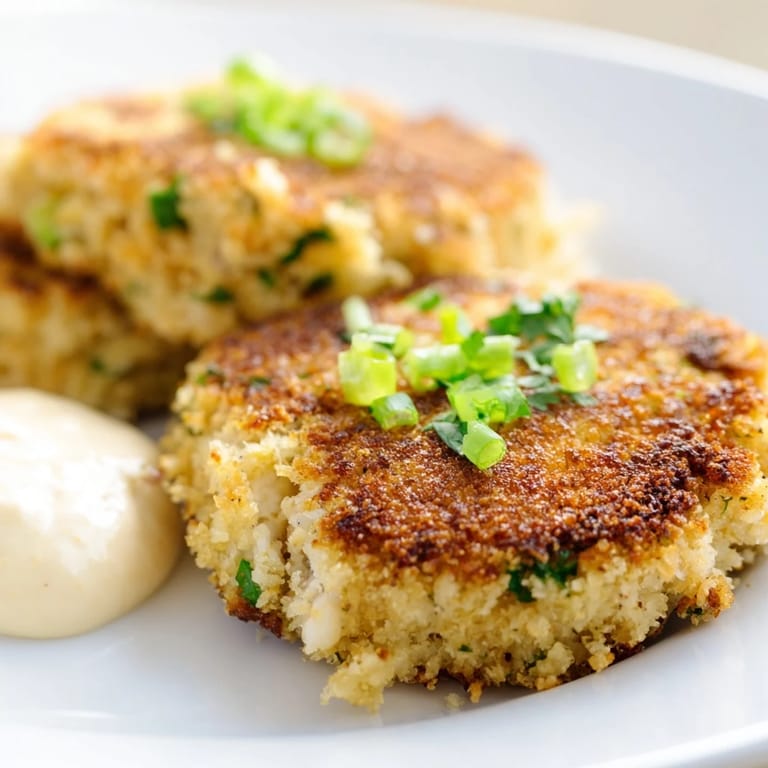
Save The first time I made crab cakes, I was trying to impress someone who grew up eating them every summer at their family's beach house. I remember standing at the fishmonger's counter, watching them pack fresh lump crab meat into a container, thinking this couldn't be that complicated. It turned out the magic was in the restraint, the knowing when to stop mixing, and understanding that sometimes the best dishes are the ones that let their main ingredient shine. That afternoon, when those golden patties hit the hot butter and the whole kitchen filled with that briny, toasted aroma, I realized why crab cakes had such a hold on people.
Years later, I made these for a dinner party when someone mentioned they'd never had a homemade crab cake before. They took one bite and their eyes went wide, and I felt that small victory of introducing someone to something they'd been missing. That's when I understood these aren't really about technique or fancy ingredients, they're about the confidence to let good crab meat be the star and knowing when to get out of its way.
Ingredients
- Lump crab meat, 450 g (1 lb): This is where the recipe lives or dies, so buy the best you can find and pick it over carefully to catch any shell fragments that snuck through.
- Large egg: Binds everything just enough without overdoing it.
- Mayonnaise, 60 g (½ cup): Adds richness and helps hold the patties together without making them heavy.
- Dijon mustard, 1½ tsp: A sharp background note that brightens the whole thing.
- Worcestershire sauce, 1 tsp: The umami whisper you don't quite notice but definitely feel.
- Old Bay seasoning, 1 tsp: The classic choice, but seafood seasoning works just as well if that's what you have.
- Fresh lemon juice, 1 Tbsp: Cuts through the richness and keeps everything tasting fresh.
- Fresh parsley, 2 Tbsp: Adds a light herbaceous note without overpowering anything.
- Spring onions, 2: A gentle onion flavor that doesn't announce itself loudly.
- Panko breadcrumbs, 60 g (¾ cup): Gives you that golden exterior and a subtle crunch without being heavy.
- Salt and freshly ground black pepper: Taste as you go; the other ingredients are already seasoned.
- Unsalted butter, 2 Tbsp and neutral oil, 2 Tbsp: Together they create the perfect medium for golden, crispy edges without burning.
Tired of Takeout? 🥡
Get 10 meals you can make faster than delivery arrives. Seriously.
One email. No spam. Unsubscribe anytime.
For the Tangy Sauce
- Mayonnaise, 120 g (½ cup): The creamy base that holds everything together.
- Dijon mustard, 1 Tbsp: Adds tang and a subtle sharpness.
- Fresh lemon juice, 1 Tbsp: Brightens the sauce and lifts it off the plate.
- Hot sauce, 1 tsp (optional): A whisper of heat if you want it, a pinch of complexity if you don't.
- Garlic clove, 1 small: Minced fine, just enough presence without asserting itself.
- Salt and freshly ground black pepper: Balance everything to your taste.
Instructions
- Combine the mixture with care:
- In a large bowl, add the crab meat, egg, mayo, mustard, Worcestershire, Old Bay, lemon juice, parsley, and spring onions. Fold everything together gently, then add the breadcrumbs last and fold once more. The moment you stop mixing is usually the right moment, when everything is just barely combined and the crab pieces are still visible and whole.
- Season and taste:
- Pinch of salt and pepper, but remember that Old Bay and Worcestershire already bring salt, so taste before you add more. You want to catch that moment where all the flavors are saying hello to each other at the same time.
- Shape and chill:
- Divide the mixture into 8 roughly equal portions and gently press each one into a patty about 2½ inches across. Lay them on a plate, cover loosely, and slide them into the fridge for at least 15 minutes while you get everything else ready. This helps them hold together during cooking.
- Make the sauce:
- Whisk mayo, Dijon, lemon juice, hot sauce if you're using it, and minced garlic in a small bowl until smooth. Taste and adjust the salt and pepper. Set it aside and let the flavors get to know each other.
- Heat your cooking medium:
- Place your skillet over medium heat and add the butter and oil. The oil keeps the butter from burning while the butter gives you that golden, nutty flavor. Once it's hot enough that a breadcrumb sizzles immediately, you're ready.
- Cook the crab cakes:
- Working in batches so you don't crowd the pan, slide the crab cakes in and let them be. Don't fuss with them. After 3 to 4 minutes, when the bottom is golden brown and crispy, flip them carefully and cook the other side for another 3 to 4 minutes until they're golden all over and warmed through completely.
- Finish and serve:
- Transfer the finished cakes to a paper towel for just a moment to blot any excess oil, then plate them while they're still warm. Spoon some of that tangy sauce alongside each one and add a lemon wedge if you have it. Serve immediately.
 Save
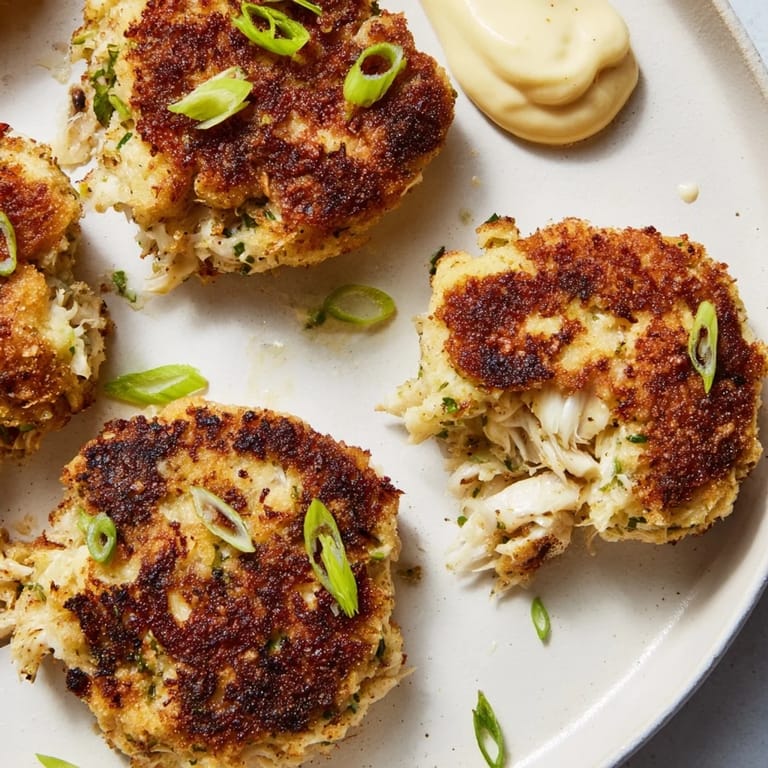
Save I remember pulling a batch out of the pan and watching the steam rise off them while the butter pooled golden around their edges. For a moment it felt less like cooking and more like alchemy, turning simple ingredients into something that made people pause mid-conversation to pay attention. That's what good crab cakes do.
The Art of Not Overmixing
The thing nobody tells you is that crab meat is delicate and wants to stay in large, juicy chunks. Every time you stir the mixture, you're breaking those pieces down further, and by the time your cakes hit the pan, you've turned them into crab paste if you're not careful. The best approach is to combine everything gently with a folding motion, adding the breadcrumbs last and mixing just until you don't see any visible dry bits. Trust that the egg and mayo will hold things together, and the crab meat will taste better for having been handled with respect.
Fresh Versus Canned
Fresh lump crab meat is ideal if you can get it and afford it, but I've made excellent crab cakes with quality canned crab too. The key is picking through whatever you use and looking for shells, then gently draining the canned version if it's packed in liquid. Don't let perfect be the enemy of good, especially if you're discovering this recipe for the first time.
Serving and Pairing Suggestions
Crab cakes can stand alone as a main course with nothing more than a wedge of lemon, or you can serve them alongside crisp coleslaw or a bright green salad to balance the richness. The tangy sauce is your safety net and your secret weapon, transforming a good crab cake into something memorable with just a spoonful.
- A chilled glass of Sauvignon Blanc or dry Riesling pairs beautifully, cutting through the richness with acidity.
- If you want extra crunch, dredge your patties lightly in panko one more time right before frying.
- Leftovers are actually wonderful cold the next day, tucked into a soft roll with some of that sauce and a handful of greens.
 Save
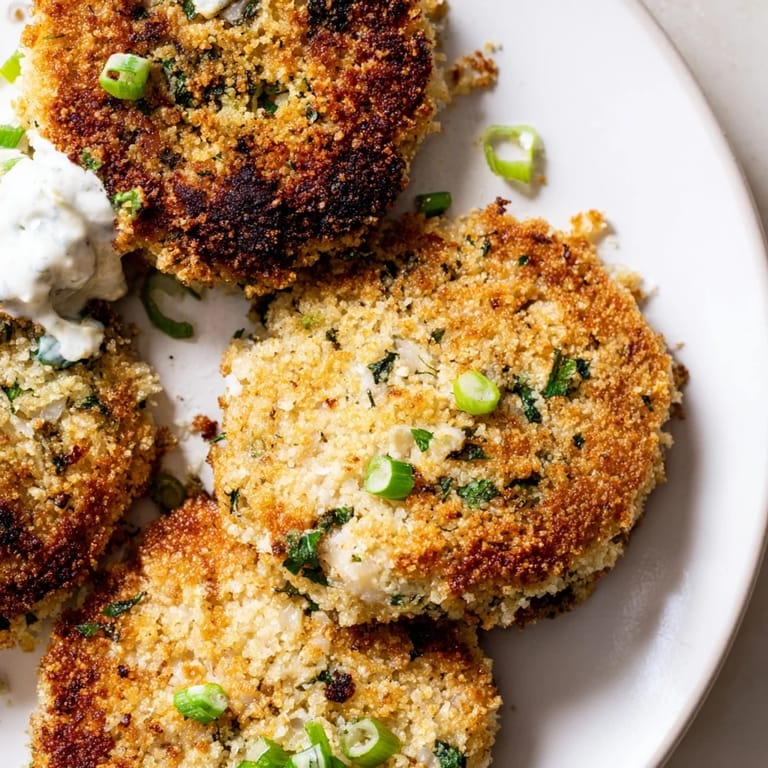
Save Once you make these, you'll understand why people get sentimental about them. They're simple but require respect, and when you get it right, they taste like summer and celebration at the same time.
Recipe FAQs
- → How do I prevent the patties from falling apart during cooking?
Chill the shaped patties for at least 15 minutes before cooking. This helps them set and hold together better in the pan.
- → What type of crab meat works best for these patties?
Fresh lump crab meat yields the best flavor and texture, but high-quality canned crab meat can be used as an alternative.
- → Can I make the patties in advance?
Yes, you can prepare and refrigerate the patties for a few hours before cooking to save time.
- → What oil is best for frying these patties?
Use neutral oils with a high smoke point such as vegetable or canola oil, combined with butter for flavor.
- → What can I serve alongside these crab patties?
They pair well with crisp salads, coleslaw, or a chilled white wine like Sauvignon Blanc or dry Riesling.