 Save
Save My neighbor knocked on the door one April morning with news of her surprise birthday party that afternoon, and I found myself scrambling through the kitchen wondering what dessert could possibly feel both celebratory and seasonally right. Sheet cakes seemed too ordinary until I remembered a lemon curd I'd made weeks before—bright, silky, and tasting like spring itself. That's when everything clicked: a tender vanilla cake layered with homemade lemon curd and crowned with clouds of whipped cream felt less like a dessert and more like bottling sunshine for a party.
I'll never forget my sister's face when she bit into that first slice at the party—she paused mid-conversation, and suddenly everyone at the table went quiet watching her reaction. The tartness of the lemon curd against the sweetness of the cake and the pillowy frosting created this perfect balance that made people reach for seconds without thinking. That cake became the thing everyone remembered about the party, not because it was complicated, but because it tasted like the exact moment it was meant to celebrate.
Ingredients
- All-purpose flour (2 ½ cups): This is your cake's backbone—measuring by weight keeps everything tender and avoids the density that comes from packing flour into cups.
- Unsalted butter and granulated sugar (1 cup and 2 cups): Creaming these together until pale isn't just technique, it's where the cake's lift and lightness are born; rushing this step means a denser crumb.
- Room temperature eggs (4 large): Cold eggs won't incorporate smoothly, and that means less volume and a heavier cake—set them out while you prep everything else.
- Vanilla extract and lemon zest (1 tbsp and from 1 lemon): The vanilla anchors everything while the lemon zest threads brightness throughout the cake itself, not just the filling.
- Whole milk (1 cup): At room temperature, milk blends seamlessly into the batter; straight from the fridge it can seize the butter and create lumps.
- Egg yolks (4 large): For the curd, these create richness and that silky texture—don't skip separating them or you'll end up with scrambled bits instead of smooth sauce.
- Fresh lemon juice and zest (⅓ cup juice and zest from 2 lemons): Fresh is non-negotiable here; bottled juice tastes flat and thin compared to what you squeeze yourself.
- Unsalted butter for curd (¼ cup cubed): Cutting it into pieces helps it melt smoothly into the warm curd without creating greasy pockets.
- Heavy cream and powdered sugar (2 cups and ½ cup): Keep the cream cold until the moment you whip it, and sift the sugar to avoid grainy frosting.
Tired of Takeout? 🥡
Get 10 meals you can make faster than delivery arrives. Seriously.
One email. No spam. Unsubscribe anytime.
Instructions
- Set up and preheat:
- Heat your oven to 350°F and line a 9x13 pan with parchment—this stops the cake from sticking to the corners where it always seems to catch. Having everything ready before you start mixing means you're not rushing, and rushed baking is where mistakes hide.
- Build the dry mixture:
- Whisk flour, baking powder, baking soda, and salt together in one bowl—this distributes the leavening evenly so you don't end up with tunnels in the cake. Set it aside and don't skip this step; it matters.
- Cream the butter and sugar:
- This takes 3 to 4 minutes with an electric mixer, and you'll know it's ready when it looks pale and fluffy like mousse. If you stop too early, the cake will be dense; if you keep going, you'll overdevelop the gluten and tighten the crumb.
- Add eggs one at a time:
- Beat each egg in fully before adding the next—this takes patience, but it's how you trap air in the batter. Each egg should disappear into the mixture before you add the next, creating a glossy, emulsified base.
- Mix in vanilla and lemon zest:
- Stir these in now, letting the zest's oils spread throughout. You'll already smell the spring coming into the batter at this point.
- Alternate dry and wet ingredients:
- Start with dry, then milk, then dry again, always ending with dry ingredients—this prevents overmixing. Mix only until you see no streaks of flour; overworked batter becomes tough and dense.
- Pour and bake:
- Spread the batter evenly in the prepared pan and smooth the top gently. Bake for 28 to 32 minutes until a toothpick comes out clean—ovens vary, so start checking at 28 minutes.
- Cool completely:
- Let the cake cool in the pan on a rack, then tip it out carefully onto a clean surface. This takes time, but a warm cake slices into mush, so patience is your friend here.
- Make the lemon curd while waiting:
- Whisk egg yolks, sugar, lemon juice, and zest together in a small saucepan. Cook over medium-low heat, stirring constantly—this takes about 5 to 7 minutes, and you'll feel the texture thicken from thin custard to sauce that coats the back of a spoon.
- Finish the curd:
- Pull it off the heat and whisk in the cubed butter until it disappears and the curd is glossy. Press plastic wrap directly onto the surface so a skin doesn't form, then chill until it's completely cold.
- Whip the cream:
- Pour cold heavy cream, powdered sugar, and vanilla into a bowl and whip until stiff peaks form—this means the cream holds its shape instead of flopping over. Keep it refrigerated until you need it, as it can break if it sits at room temperature.
- Slice and fill:
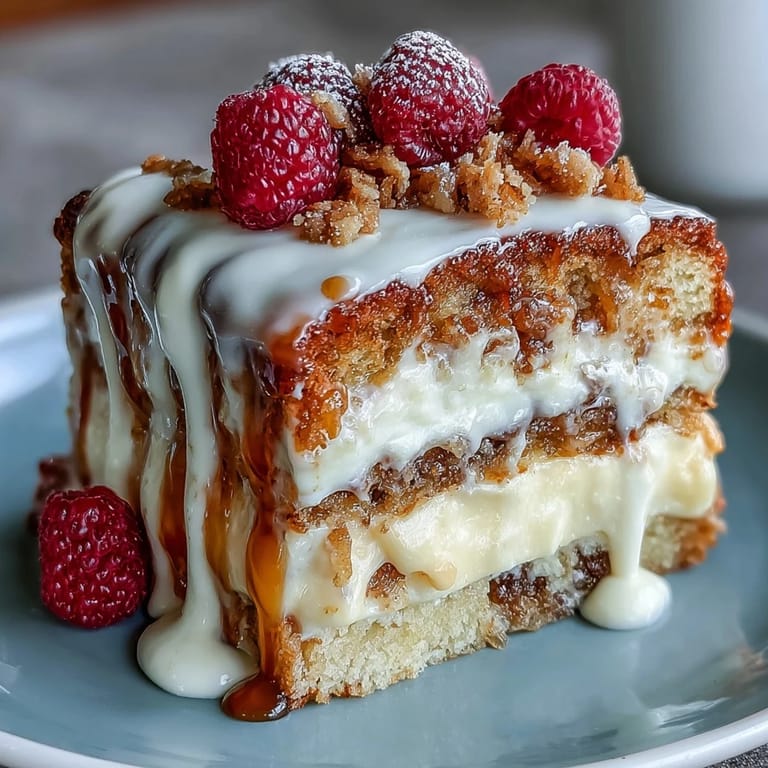
- Using a serrated knife, carefully slice the cooled cake horizontally into two layers—mark the sides gently as a guide. Lift off the top layer and spread the chilled lemon curd evenly over the bottom layer, then replace the top.
- Frost the cake:
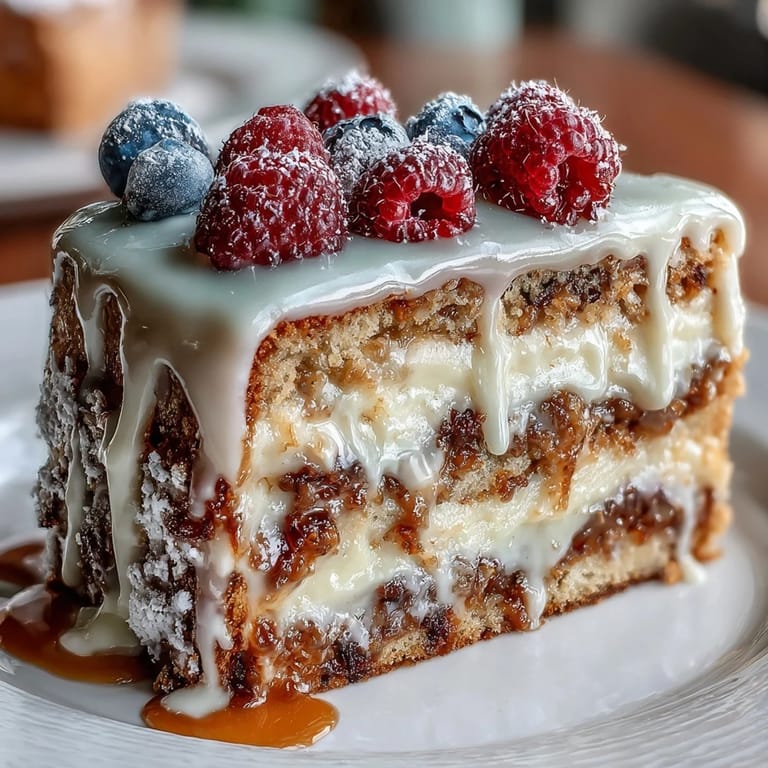
- Spread whipped cream frosting over the top and sides with an offset spatula or regular knife, keeping it generous but even. Decorate with fresh berries, edible flowers, or curls of lemon zest if you like.
- Chill before serving:
- Let the assembled cake sit in the refrigerator for at least 1 hour—this sets everything and makes slicing clean instead of messy. Cold cake also tastes sharper and more refreshing on the first bite.
 Save
Save What strikes me most about this cake is how it transformed a casual spring afternoon into something memorable, not because it was difficult, but because it tasted like care and attention. The brightness of the lemon stayed with everyone long after the party ended, and I've made it again for every April birthday since.
Choosing Your Lemons
The quality of your lemon juice makes or breaks the curd, so reach for lemons that feel heavy in your hand and have smooth, thin skin—these tend to be juicier and less bitter than thick-skinned varieties. I started rolling my lemons on the counter with firm pressure before cutting them in half; this breaks down the cell walls inside and yields almost a tablespoon more juice per lemon, which sounds like nothing until you're making curd and you're short on juice halfway through.
The Secret to Perfect Whipped Cream
Whipped cream breaks the moment it overbeats, turning grainy and separating into butter and buttermilk, and there's no fixing it once that happens. Watch the peaks carefully as you whip—you want stiff peaks that stand up when you lift the beaters, not soft floppy ones, but not the moment where it starts to look slightly grainy. I learned to pull my mixer off about 30 seconds before I think I'm done; the cream continues whipping from the residual motion and catches at the exact right moment.
Make It Your Own
This cake welcomes substitutions and improvisation, whether you're working around allergies, time constraints, or simply what you have on hand. A store-bought lemon curd saves 15 minutes and tastes lovely if that's what your afternoon allows, and you can brush the cake layers with a simple lemon syrup (equal parts sugar and fresh lemon juice simmered until the sugar dissolves) before assembling if you want extra brightness.
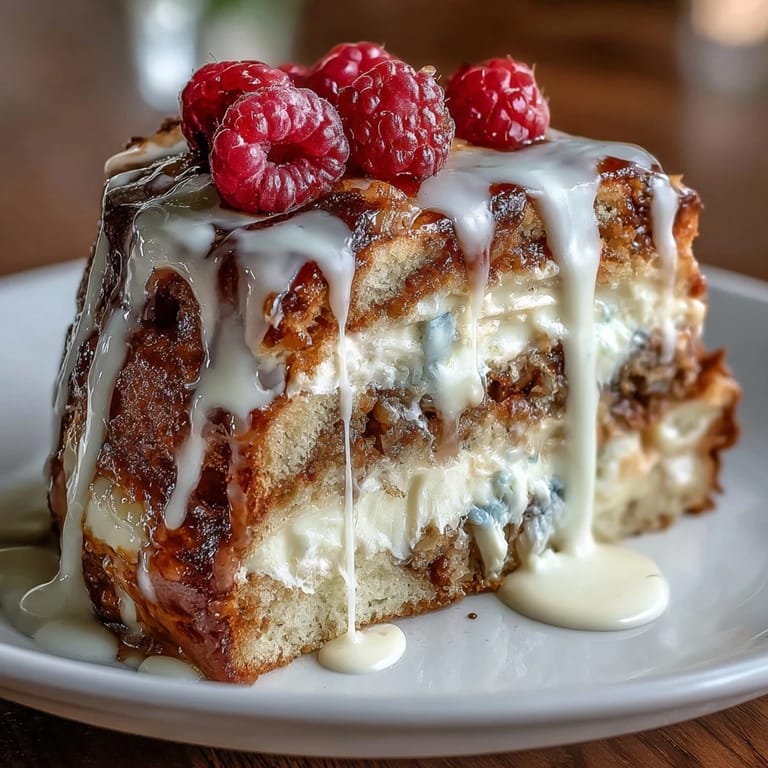
- Raspberries tucked into the frosting look jewel-like and add tartness that echoes the lemon curd.
- A touch of fresh mint between the berries tastes like spring morning and feels special without being complicated.
- If you're nervous about slicing, a thin layer of jam under the frosting helps seal the cake and prevents crumbs from mixing with the frosting.
 Save
Save This cake sits at the intersection of simple and elegant, the kind of dessert that makes people feel celebrated without requiring you to spend your whole day in the kitchen. Make it once and it becomes something you'll return to again and again.
Recipe FAQs
- → How can I ensure the cake layers remain moist?
Using room temperature ingredients and alternating wet and dry additions gently helps keep the cake moist. Brushing layers with lemon syrup before assembling adds extra moisture and flavor.
- → What’s the best way to achieve a smooth lemon curd filling?
Constantly whisk the lemon curd mixture over medium-low heat until thickened, then immediately whisk in butter for a silky texture. Chilling before spreading helps it set properly.
- → Can I prepare this cake in advance?
Yes, chilling the assembled cake for at least an hour before serving allows flavors to meld and makes slicing easier. It can be stored covered in the refrigerator overnight.
- → What decorating options enhance its springtime look?
Fresh berries like strawberries, raspberries, and blueberries, along with edible flowers or lemon zest curls, make beautiful and seasonal decorations.
- → Are there substitutions for heavy cream in the frosting?
Heavy cream is ideal for a fluffy frosting, but chilled coconut cream can be used for a dairy-free alternative, whipped until stiff peaks form.