 Save
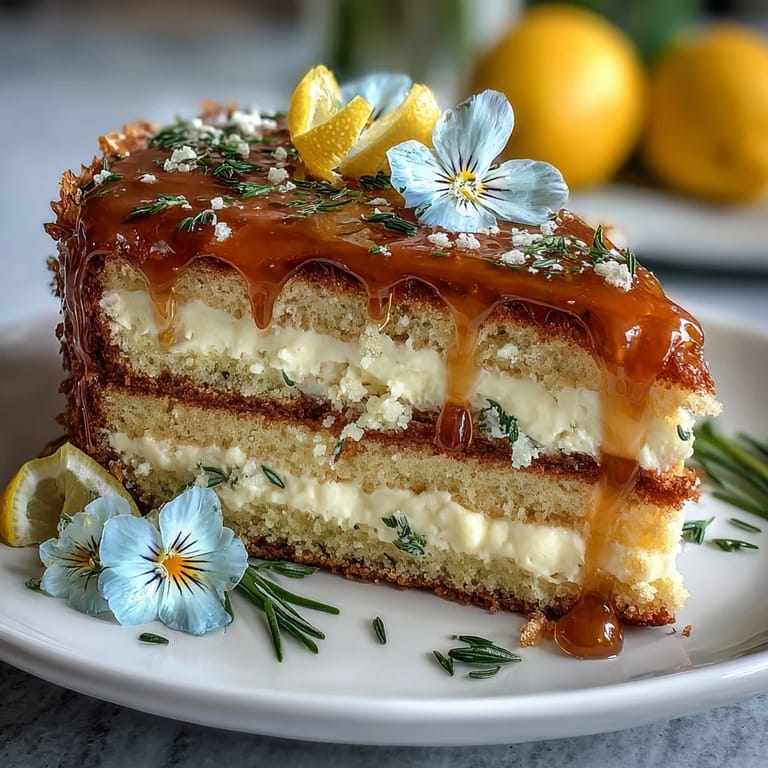
Save There's something about assembling a naked cake that feels like creating edible art right there on your kitchen counter. I stumbled onto this spring version during a particularly dreary April when I was hunting for something that tasted like sunshine and looked like a garden had exploded across the top. The combination of tangy lemon curd, clouds of whipped cream, and those delicate edible flowers turned what could've been just another cake into something that made my guests actually gasp when I set it down.
I made this for my sister's engagement tea party last May, and watching three generations of women reach for seconds while photographing it endlessly taught me something about the power of a beautiful dessert. The whole room smelled like fresh lemon and spring air, and I realized halfway through the afternoon that nobody was talking about calories or carbs—they were just genuinely happy, which felt like the whole point.
Ingredients
- All-purpose flour: The backbone here, and you want it measured right—spoon and level rather than scooping straight from the bag, or you'll end up with a dense cake wondering where things went wrong.
- Baking powder and baking soda: They work together to give you that tender crumb without making the cake taste metallic, so don't skip the baking soda even though it's just half a teaspoon.
- Unsalted butter: Room temperature is non-negotiable because cold butter won't incorporate air, and air is literally what makes this cake pillowy and light.
- Granulated sugar: This amount creates enough sweetness to stand up to the tartness of the lemon curd without making the cake cloying.
- Eggs at room temperature: Cold eggs won't emulsify properly with the butter, which means your batter will break and your cake will be gritty rather than tender.
- Vanilla extract: A small touch that deepens the flavor without announcing itself.
- Buttermilk: The acidity keeps the cake tender and adds a subtle tang that plays beautifully with the lemon.
- Lemon zest from one lemon: Fresh zest in the batter itself is where the real lemon flavor lives, not just in the curd.
- Freshly squeezed lemon juice: Bottled juice will make your curd taste off, and you're already this far into making something special, so just squeeze the lemons.
- Lemon zest from two lemons: More zest in the curd means more bright flavor and that pretty speckled appearance.
- Egg yolks for the curd: The yolks create that silky, glossy texture that bottled curd can never quite achieve.
- Heavy cream: Cold cream whips faster and holds peaks better, so keep it in the coldest part of your fridge until you're ready to use it.
- Powdered sugar for whipping: It dissolves instantly unlike granulated, so you won't end up with a grainy cream.
- Edible flowers: Pansies, violets, and nasturtiums are spring classics, but always verify they're pesticide-free and specifically labeled for eating.
Tired of Takeout? 🥡
Get 10 meals you can make faster than delivery arrives. Seriously.
One email. No spam. Unsubscribe anytime.
Instructions
- Get your mise en place organized:
- Preheat to 350°F and grease three 8-inch pans with parchment circles on the bottom, because trying to flip a stuck cake is a nightmare you don't want. Bring your eggs, buttermilk, and butter to room temperature while you measure everything out, which takes the guesswork out of your next step.
- Combine your dry ingredients:
- Whisk flour, baking powder, baking soda, and salt together in a medium bowl, breaking up any little lumps of baking soda you find. This whole step takes two minutes but makes a huge difference in how evenly everything mixes into your batter.
- Cream the butter and sugar:
- Beat them together until the mixture looks pale and fluffy—this usually takes about three minutes with an electric mixer and your mixture should roughly triple in volume. This is where you're literally whipping air into the batter, which is what's going to make your cake light and tender.
- Add eggs one at a time:
- Drop one egg in, beat until it disappears, then add the next, because adding them all at once will cause the mixture to break and look curdled. Once all four are incorporated, mix in the vanilla and lemon zest until the batter looks smooth and creamy.
- Alternate the dry ingredients and buttermilk:
- Start with a third of the dry mixture, then half the buttermilk, then another third of dry, then the rest of the buttermilk, and finish with the last third of dry ingredients. Mix just until everything is combined—overmixing develops gluten, which makes the cake tough.
- Divide and bake:
- Split the batter evenly among your three pans, smooth the tops with a spatula, and bake for 25 to 30 minutes until a toothpick comes out clean. Your kitchen will smell incredible while this is happening, which is just a bonus.
- Cool the cakes properly:
- Leave them in the pans for exactly 10 minutes, then flip them out onto a wire rack to cool completely, because this timing prevents them from sinking while still being sturdy enough to handle. Don't skip the complete cooling step or your curd will melt right through.
- Make the lemon curd:
- Whisk lemon juice, zest, sugar, and egg yolks together in a heatproof bowl set over simmering water (the bowl shouldn't touch the water), whisking constantly for about 8 to 10 minutes until it thickens enough to coat the back of a spoon. Remove from heat and whisk in the butter cubes until the curd is smooth and glossy, then let it cool completely because hot curd will destroy your whipped cream.
- Whip the cream:
- Beat cold heavy cream with powdered sugar and vanilla until stiff peaks form, which means when you lift the beaters, the cream stands up in peaks that don't flop over. Don't overbeat or you'll end up with sweetened butter, which is technically delicious but not what you're going for here.
- Assemble with confidence:
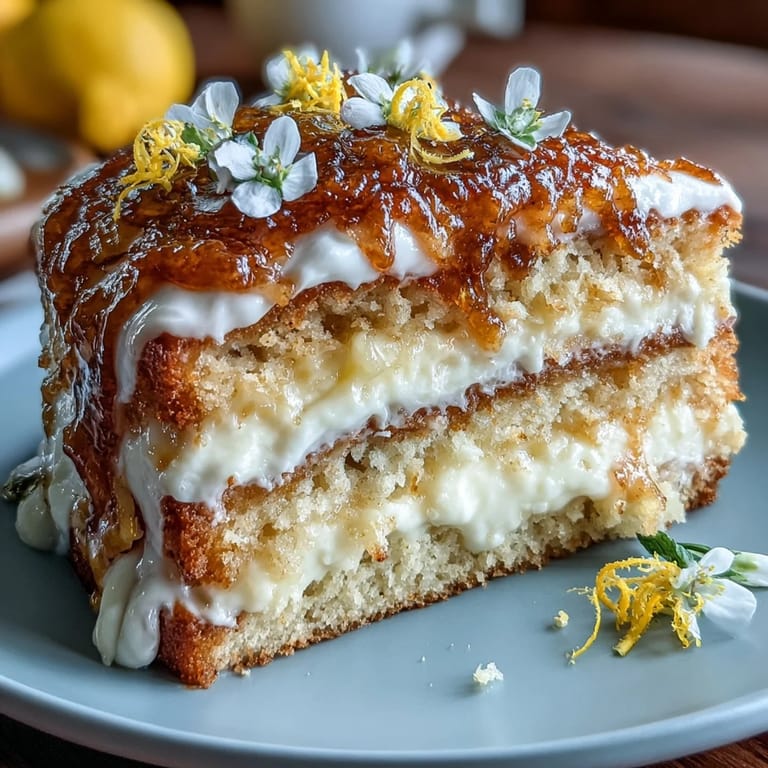
- Place your first cake layer on a serving platter, spread half your lemon curd on top, then add a generous layer of whipped cream. Repeat with the second layer, then crown it with the third cake layer and a thick, cloud-like layer of whipped cream on top that you can actually see.
- Decorate right before serving:
- Scatter your edible flowers across the top and add lemon zest curls just before guests arrive, because the flowers will wilt if they sit too long and you want them looking fresh and spring-like. This is where the magic happens and your cake transforms into something that looks like it belongs in a magazine.
 Save
Save My favorite moment with this cake happened when my six-year-old niece asked if the flowers were real, and when I said yes, she just stared at it with genuine wonder before eating three pieces. That's when I understood that this cake is less about impressing people and more about creating a moment where something beautiful and delicious becomes a memory.
The Secret to Tender Cake Layers
The real difference between a cake that feels heavy and one that melts in your mouth comes down to two things: not overmixing the batter and making sure your ingredients start at room temperature. I used to think overmixing was just a suggestion, but then I actually paid attention and noticed that when I stopped mixing the second everything looked combined, the cake had this incredible tender crumb that fell apart in your mouth. Cold butter and eggs just don't incorporate air the same way, so those few extra minutes of planning actually matter.
Working with Lemon Curd
The first time I made lemon curd, I got impatient and turned up the heat, and it broke into scrambled eggs—a disaster I still think about when I'm making it now. The key is keeping that water at a gentle simmer and whisking constantly without rushing, because the slow thickening is what gives you that silky, luxurious texture. Once you get comfortable with the timing and the feel of it, lemon curd becomes easier and faster, and you'll suddenly understand why people get obsessed with making it from scratch.
Styling Your Naked Cake
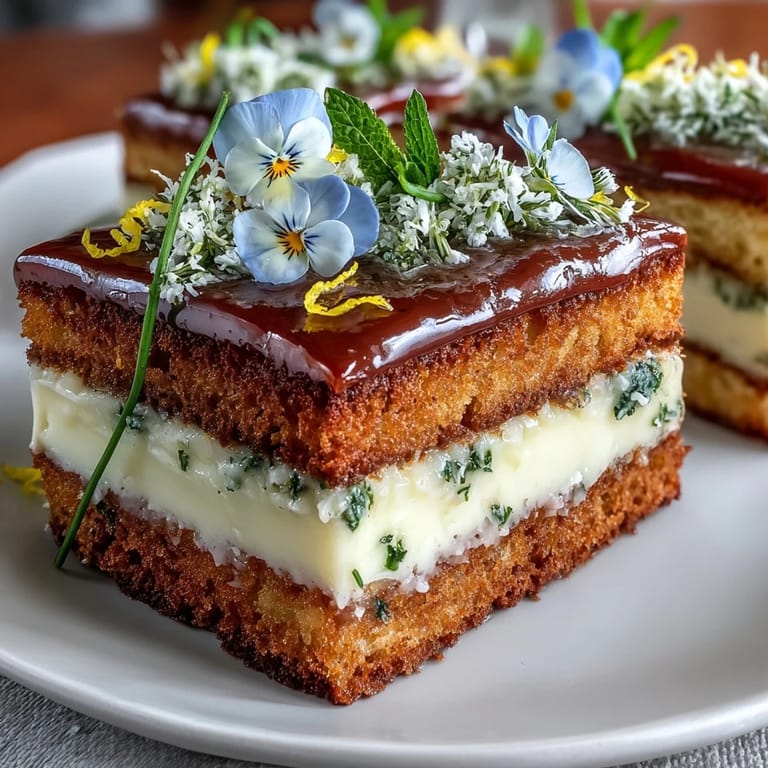
The beauty of a naked cake is that imperfect, rustic look that somehow feels more elegant than a perfectly frosted cake, so don't stress about making the layers perfectly even or the filling perfectly level. A little crumb peeking out here, an irregular edge there—that's what makes it look homemade and intentional rather than mass-produced. The whipped cream on top is forgiving because you can pile it generously and unevenly, and the flowers do all the heavy lifting when it comes to making it look spectacular.
- Leave some cake edges visible rather than covering everything with cream, because that contrast is what makes naked cakes visually interesting.
- Add the flowers literally just before serving so they're bright and perky rather than wilted and sad-looking.
- Fresh lemon zest curls made with a microplane add that final touch of elegance without being too fussy.
 Save
Save This cake is proof that sometimes the simplest ideas—good cake, bright curd, fluffy cream, and flowers—come together to create something that feels far more special than the effort required. It's my go-to when I want to impress people without spending hours in the kitchen, and it somehow always looks like you're a better baker than you actually are.
Recipe FAQs
- → What type of flowers can be used for decoration?
Choose pesticide-free edible flowers such as pansies, violets, marigolds, or nasturtiums for safe and beautiful garnishing.
- → How is the lemon curd prepared?
Lemon curd is gently cooked over simmering water by whisking lemon juice, zest, sugar, and egg yolks until thickened, then butter is incorporated for smoothness.
- → Can the whipped cream be substituted?
For a richer texture, mascarpone can replace half of the whipped cream while maintaining the lightness of the topping.
- → How should the cake layers be cooled?
After baking, cool the cake layers in their pans briefly, then transfer to a wire rack to cool completely before assembly.
- → What is the best way to assemble the cake?
Layer each sponge with lemon curd and whipped cream, repeat for all layers, finishing with whipped cream and flower decoration on top.
- → Are there recommended pairings for this dessert?
This cake pairs wonderfully with sparkling wine or elderflower cordial, complementing its bright citrus and creamy flavors.