 Save
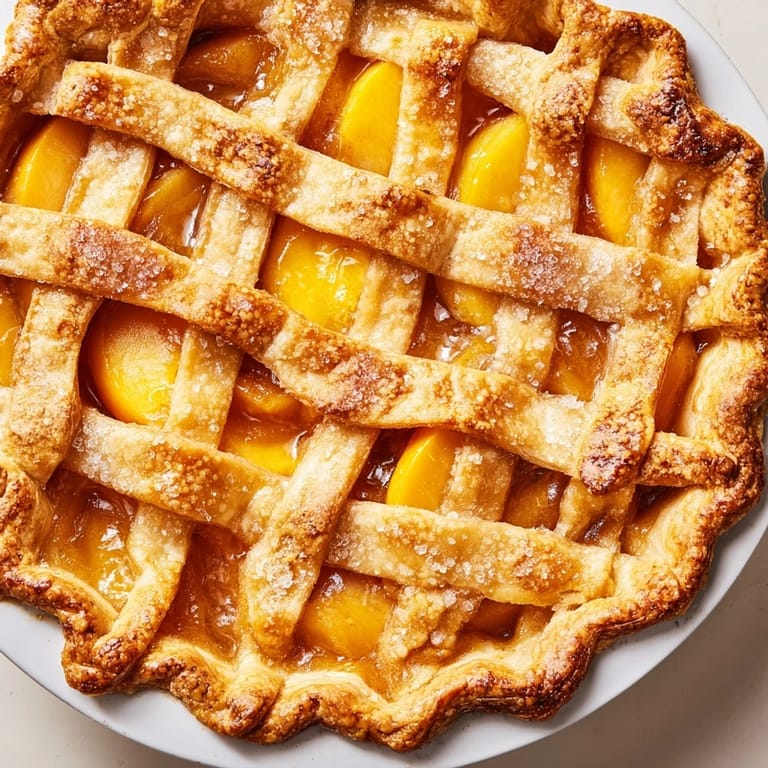
Save My neighbor brought over a basket of peaches one August afternoon, the kind that were so ripe they practically fell apart in your hands. I'd never made pie from scratch before, but she stood in my kitchen describing how her grandmother would bake these every summer, and something about the way she said it made me want to try. That first pie wasn't perfect—my crust had cracks and my filling was runnier than it should have been—but when that warm, cinnamon-scented dessert came out of the oven, I understood why people get sentimental about peach pie.
I made this pie for a dinner party thinking I'd impress everyone with something store-bought looking, but what actually happened was my guests kept circling back to the kitchen while it cooled, asking questions about how I made it. One friend literally sat at my counter with a fork waiting for it to cool enough to eat, and I realized that peach pie isn't really about perfection—it's about that moment when something warm and fragrant comes together and people can't help but gather around it.
Ingredients
- All-purpose flour (2 1/2 cups): The foundation of your crust; cold and dry flour works better than warm flour because it won't develop too much gluten and make your crust tough.
- Unsalted butter, cold and cubed (1 cup): The secret to flakiness is keeping the butter cold enough that it stays in distinct little pieces throughout the dough, creating steam pockets as it bakes.
- Salt (1 tsp): Just enough to balance sweetness and enhance the buttery flavor without tasting salty.
- Granulated sugar (1 tbsp for crust, 3/4 cup for filling): A touch of sugar in the crust adds subtle sweetness, while the filling sugar balances the peaches' natural tartness.
- Ice water (6–8 tbsp): Cold water helps keep the dough tender; add it gradually so you don't accidentally make it too wet.
- Ripe peaches, peeled and sliced (6 cups): Use a mix of yellow and white peaches if you can find them—the complexity of flavor makes a real difference and feels less one-note.
- Cornstarch (1/4 cup): This thickens the peach juices so your filling doesn't turn into soup; it's the difference between a perfect slice and a runny mess.
- Lemon juice (1 tbsp): A squeeze of acid brightens the peaches and prevents them from tasting flat or overly sweet.
- Ground cinnamon and nutmeg (1/2 tsp and 1/4 tsp): These warm spices feel like autumn but don't overpower the fruit when used with a light hand.
- Vanilla extract (1 tsp): A small amount deepens the overall flavor without making anything taste like vanilla cake.
- Egg wash (1 beaten egg): Brushed on top, this creates that beautiful golden-brown shine and helps any coarse sugar stick to the crust.
- Coarse sugar (1 tbsp optional): Sprinkled on top before baking, this adds a subtle crunch and catches the light beautifully.
Tired of Takeout? 🥡
Get 10 meals you can make faster than delivery arrives. Seriously.
One email. No spam. Unsubscribe anytime.
Instructions
- Make Your Crust:
- Whisk together flour, sugar, and salt in a large bowl, then add the cold butter cubes and cut them in with a pastry blender or your fingertips until the mixture looks like coarse crumbs with some pea-sized bits of butter still visible. Add ice water one tablespoon at a time, gently mixing just until the dough barely holds together—it should look shaggy and rough, not smooth.
- Chill the Dough:
- Divide your dough in half, shape each piece into a flat disc, wrap tightly in plastic, and refrigerate for at least 1 hour (or even overnight). This rest is non-negotiable if you want flakiness; it lets the gluten relax and keeps the butter cold enough to create those precious steam pockets.
- Prepare Your Peaches:
- In a large bowl, toss your sliced peaches with sugar, cornstarch, lemon juice, cinnamon, nutmeg, salt, and vanilla. Let the mixture sit for about 10 minutes; you'll notice the peaches release their juices and the cornstarch starts to absorb them, which is exactly what you want.
- Heat and Assemble:
- Preheat your oven to 400°F (200°C), then roll out your first dough disc on a floured surface until it's about 1/8-inch thick and large enough to fit your 9-inch pie dish with a little overhang. Transfer it carefully to the dish, pour in your peach filling, and spread it evenly.
- Top and Seal:
- Roll out your second dough disc and lay it over the filling, then trim the excess from both crusts to about 1-inch overhang and crimp the edges with a fork or your fingers to seal them. Cut several slits in the top crust (or get fancy with a lattice pattern) to let steam escape during baking.
- Add the Finishing Touch:
- Brush the entire top crust with beaten egg, sprinkle with coarse sugar if you have it, and slide the whole thing into your preheated oven.
- Bake Until Golden:
- Bake for about 50 minutes, watching for a deep golden-brown crust and bubbling filling at the edges; if the edges start browning too quickly, tent them loosely with foil. The filling should be noticeably bubbly and not at all runny when you peek through those steam vents.
- Cool Properly:
- This is where patience pays off—let your pie cool on a wire rack for at least 2 hours before you even think about slicing into it. The filling needs this time to set, or you'll end up with a beautiful pie that falls apart the moment you cut it.
 Save
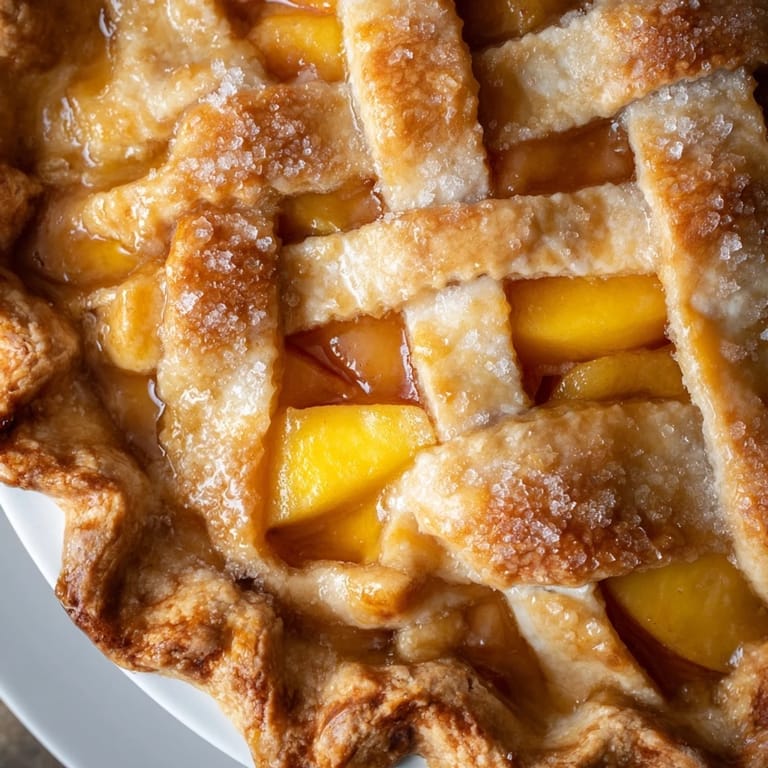
Save There's a moment while peach pie bakes when the kitchen fills with this warm, spiced-fruit smell that's so evocative it stops you mid-thought. I've learned that this smell is actually when your pie becomes something more than ingredients—it's when it becomes a memory you're literally baking into the air.
Picking Perfect Peaches
The success of this pie lives or dies with your peach selection, so don't settle for whatever's on sale. Look for peaches that yield slightly to gentle pressure and smell distinctly peachy—not the mealy, flavorless ones that look pretty but taste like nothing. Late July through early August is usually peak season in most places, and that's when you'll find peaches worth making pie for. If you can't find good fresh peaches, honestly, skip this recipe and make it again when you can, because frozen or mediocre peaches will disappoint you.
The Crust Technique That Actually Works
I used to think I was bad at making pie crust until I realized I was doing three things wrong: letting my butter get warm, adding water all at once instead of gradually, and then overworking the dough by mixing it too much. The secret is to work quickly, keep everything cold, and stop mixing the absolute moment your dough comes together—that rough, shaggy texture is exactly what you want. Your hands are actually warmer than a food processor, so many people find they get better results cutting the butter in by hand and just staying focused on speed.
Serving and Storage
Serve your pie warm or at room temperature with a generous scoop of vanilla ice cream or a dollop of lightly whipped cream—the cold dairy against the warm fruit and flaky crust is honestly one of life's simple perfections. If you have leftovers (which is rare in my house), cover the pie loosely with foil and store it at room temperature for up to 2 days; reheating a slice in a 300°F oven for about 10 minutes brings back that just-baked warmth and texture that makes people come back for seconds.
- A warm slice tastes dramatically better than a cold one, so plan your timing around eating it relatively fresh from the oven or right after reheating.
- If you're making this ahead, you can refrigerate the assembled but unbaked pie for up to 24 hours before baking—just add a few extra minutes to the bake time.
- For a shortcut that doesn't feel like cheating, store-bought pie crust works perfectly fine if you're short on time, though homemade crust will earn you significantly more love.
 Save
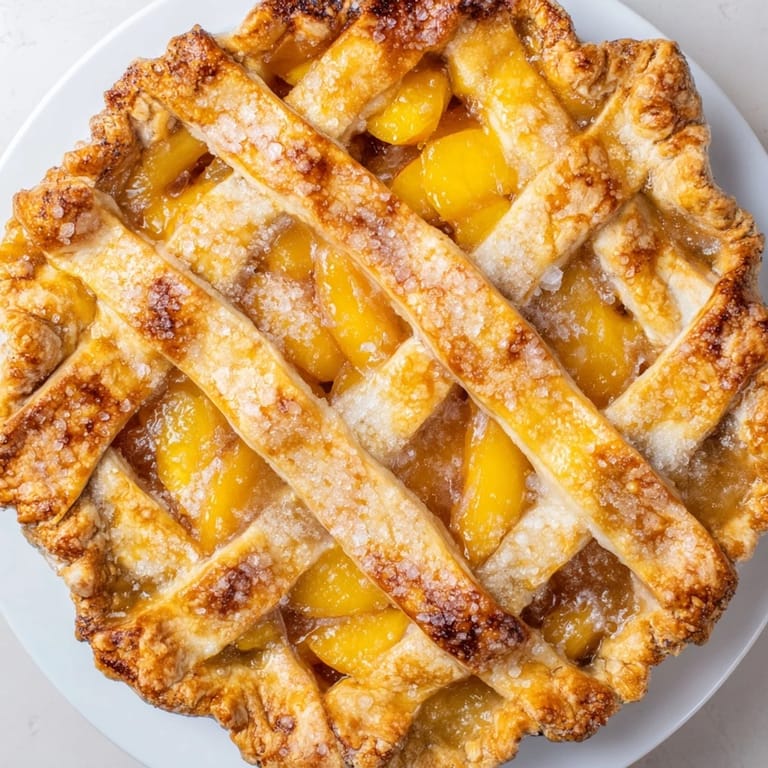
Save Peach pie taught me that sometimes the best things to cook are the ones that feel slightly ambitious but become easier and more rewarding each time you make them. There's something restorative about pulling a golden, fragrant pie from the oven and knowing you made it from scratch.
Recipe FAQs
- → How do I achieve a flaky crust?
Keep the butter cold and cut it into the flour until the mixture resembles coarse crumbs. Add ice water gradually and chill the dough before baking to maintain flakiness.
- → Can I use different peach varieties?
Yes, mixing yellow and white peaches creates a more complex flavor profile and enhances sweetness.
- → Should the filling be thickened?
Cornstarch in the filling helps thicken the peach juices to prevent soggy crust and ensures a nice, cohesive texture.
- → How do I prevent the crust edges from burning?
Cover the crust edges with foil halfway through baking to protect them from over-browning while the filling cooks thoroughly.
- → What is the best way to serve this dessert?
Serve warm with a scoop of vanilla ice cream or a dollop of whipped cream to complement the fruit’s sweetness and flaky crust.
- → Can I prepare the crust ahead?
Yes, chilling the dough for at least one hour firms it up, making it easier to roll and improving texture when baked.